Orange County Buyer Education
The Hidden Costs of Buying a Home in Orange County
Buyer Guides · Updated September 2026 · 14 min read
By Lauren Greaves, REALTOR® · The Lily Campbell Team at First Team Real Estate
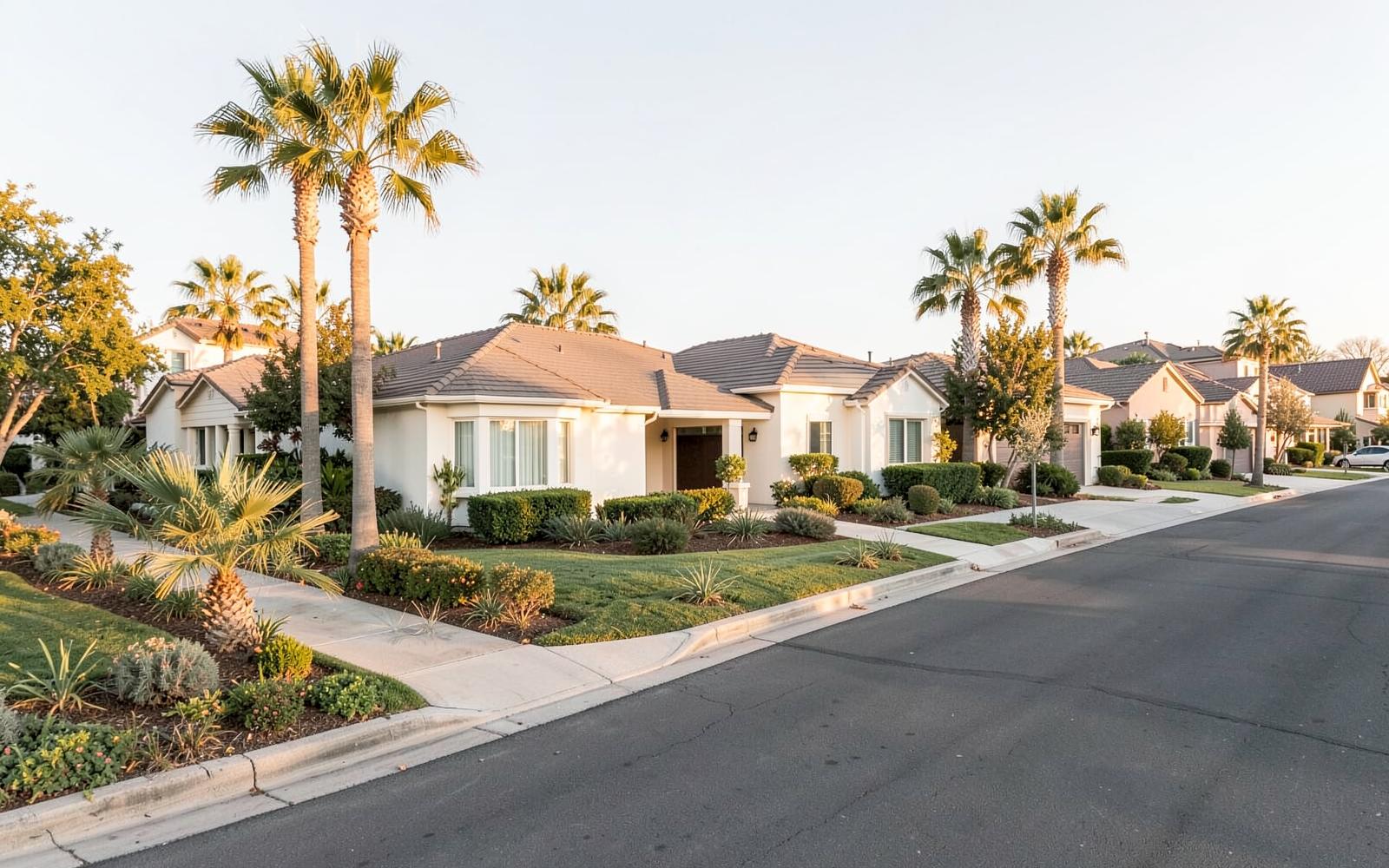
When buyers think about the cost of purchasing a home in Orange County, the conversation usually starts with two numbers: the purchase price and the down payment.
But those are only part of the picture. The true cost of buying a home can include property taxes, insurance, HOA dues, Mello-Roos, closing costs, inspections, repairs, maintenance, and expenses that vary significantly from one property to the next.
That's why two Orange County homes with the exact same purchase price can have very different monthly costs — and very different amounts of cash needed to close. I'm Lauren Greaves, an Orange County Realtor with The Lily Campbell Team at First Team Real Estate, and I work with buyers across Huntington Beach, Fountain Valley, Irvine, Costa Mesa, Tustin, Orange, Garden Grove and Westminster.
If you're planning to buy a home in Orange County, these are the costs I would want you to understand before you start making offers.
1. Closing Costs
Your down payment is not the only cash you may need at closing. Buyers can also have expenses associated with the loan, escrow, title services, prepaid taxes, insurance, and other transaction-related items.
The exact amount depends on your financing, the property, the transaction structure, and what costs may be negotiated between buyer and seller. This is why I encourage buyers to ask their lender for an estimated cash-to-close figure early in the process. A buyer might technically have enough money for a down payment but still feel uncomfortable once all of the additional upfront expenses are included.
2. Property Taxes
Property taxes are one of the biggest recurring costs buyers need to factor into their monthly budget. In California, there is a base property-tax levy, but the final amount can vary based on local voter-approved debt, assessments, and other property-specific charges.
That means you should never assume every Orange County home will have exactly the same tax rate. A seemingly small difference can materially affect your monthly payment, especially at Orange County price points. For example, an additional 0.25% in annual property-related charges on a $1,000,000 property is approximately $2,500 per year, or more than $200 per month.
3. Supplemental Property Taxes
This is one cost that surprises many California buyers. When a property changes ownership, the county may reassess the property based on the new purchase price. Because the regular property-tax bill may initially reflect the prior owner's assessed value, the buyer can later receive a supplemental property-tax bill.
That bill is separate from the regular property-tax installment. It is not necessarily an unexpected penalty or mistake — it is generally the adjustment between the prior assessed value and the new assessed value for the applicable portion of the tax year. Buyers should plan for this rather than assuming the first tax bill they see after closing represents the full picture.
4. HOA Dues
HOA dues are especially important in Orange County because they can range dramatically depending on the community. You may encounter HOA dues with:
- Condos
- Townhomes
- Gated communities
- Newer master-planned neighborhoods
- Some single-family developments
A $300 monthly HOA means $3,600 per year in recurring housing costs. A $500 HOA means $6,000 per year. And some properties can have more than one association.
This is why buyers should compare the monthly cost of the property, not just the purchase price. A $900,000 home with no HOA may actually cost less each month than an $850,000 home with substantial association dues and other assessments.
5. Mello-Roos and Special Assessments
Mello-Roos is another cost Orange County buyers should understand, particularly when searching newer communities. Mello-Roos is a special tax used in certain California communities to help finance public infrastructure and services. It is separate from normal HOA dues.
Depending on the property, it may appear on the property-tax bill and can add a meaningful amount to the buyer's annual housing costs. Not every newer home has Mello-Roos, and not every property within the same city has the same obligations. This is particularly important when comparing newer communities in places like Irvine or other master-planned areas with older Orange County neighborhoods that may not carry the same assessments. Read the full Mello-Roos guide for Irvine and Orange County.
6. Homeowners Insurance
Insurance is another cost buyers sometimes underestimate. Your premium can vary based on:
- Property location
- Replacement cost
- Age of the home
- Roof
- Claims history
- Coverage limits
- Proximity to higher-risk areas
- Insurer availability
In parts of California, insurance availability and pricing have become more significant considerations for home buyers. I recommend obtaining an insurance quote during your inspection period rather than waiting until just before closing. You do not want to discover late in the transaction that the policy is significantly more expensive than you expected.
7. Condo Insurance
If you are buying a condo, the HOA's master insurance policy does not necessarily mean your personal belongings, interior improvements, liability, or every interior component is covered. Condo buyers typically need to understand what the HOA's master policy covers and what additional individual coverage may be appropriate. This is another reason reviewing HOA documents thoroughly matters.
8. Home Inspections

A general home inspection is usually one of the first expenses buyers encounter after an offer is accepted. Depending on the property, you may also choose additional inspections such as:
- Termite
- Roof
- Sewer
- Plumbing
- Electrical
- HVAC
- Chimney
- Foundation
- Mold
- Pool
- Specialty inspections
Not every property needs every inspection. But buyers should have room in their budget for additional investigation if the general inspection raises questions. The inspection period is not the time to avoid spending a few hundred dollars if the information could help you identify a much larger issue.
9. Termite and Wood-Destroying Organism Repairs
Termite activity is common enough in Southern California that buyers should be familiar with it. Some homes may require repairs for wood damage, dry rot, or active infestation. Who pays for those repairs depends on the contract, negotiations, and the specifics of the transaction. Even when the seller completes certain work before closing, buyers should understand what was repaired and what remains.
10. Repairs Right After Closing
Even a home that appears turnkey can come with immediate expenses. You may move in and quickly realize you want or need to address:
- Locks
- Paint
- Flooring
- Appliances
- Window coverings
- Plumbing fixtures
- Lighting
- Landscaping
- HVAC servicing
- Water heater
- Minor electrical issues
- Garage-door maintenance
None of these individually may seem enormous. But together, the first few months of homeownership can become surprisingly expensive. I generally prefer buyers to keep some reserves after closing instead of putting every available dollar into the down payment.
11. Deferred Maintenance
This is different from cosmetic updating. Deferred maintenance refers to items the previous owner postponed or did not adequately maintain. Examples can include:
- Aging roof
- Older HVAC
- Plumbing issues
- Deteriorated exterior paint
- Drainage problems
- Worn windows
- Aging electrical components
- Damaged fencing
- Neglected landscaping
A lower purchase price can be attractive, but buyers should consider whether they are simply trading a lower upfront price for larger expenses after closing.
12. Utility Costs
Utilities are easy to overlook when comparing homes. A larger home may have significantly different electricity, gas, water, landscaping, and cooling costs than the property you currently live in. The age and efficiency of the home can also matter — things like insulation, HVAC age, windows, solar, landscaping, and pool equipment can all influence monthly expenses.
If the home has solar, buyers should also determine whether the system is owned, financed, leased, or subject to another agreement. The word “solar” alone does not tell you what the actual financial obligation is.
13. Pool Costs

Pools are incredibly appealing in Orange County, but they come with recurring expenses. Buyers may need to budget for:
- Pool service
- Chemicals
- Electricity
- Equipment maintenance
- Heating
- Repairs
- Resurfacing over time
A pool may absolutely be worth it for your lifestyle. Just make sure you are comparing homes knowing that it adds another category of ownership costs.
14. Landscaping
A larger lot can be one of the reasons buyers prefer an older Orange County neighborhood. But more yard can also mean higher landscaping costs. Depending on the property, that may include:
- Gardener
- Irrigation maintenance
- Tree trimming
- Water use
- Lawn care
- Exterior pest control
Again, none of this necessarily makes the property a bad choice. It simply belongs in the budget.
15. Older Homes Can Have Different Ownership Costs
Many of Orange County's established neighborhoods contain homes built decades ago. That can mean larger lots, mature landscaping, established streets, and layouts that buyers love. It can also mean older roofs, pipes, electrical systems, sewer lines, windows, HVAC systems, and water heaters.
Buying an older home does not automatically mean you're buying a problem. But buyers should understand the age and expected life of major systems when considering the overall value.
16. Newer Homes Have Their Own Hidden Costs
New construction and newer communities can seem easier because buyers may expect fewer immediate repairs. But newer homes can come with a different cost profile. Possible expenses include:
- Higher HOA dues
- Mello-Roos
- Landscaping after closing
- Window coverings
- Appliance upgrades
- Builder upgrades
- Solar obligations
- Additional community fees
That is why an older home and a newer home at similar purchase prices can produce completely different monthly budgets.
17. Moving Costs
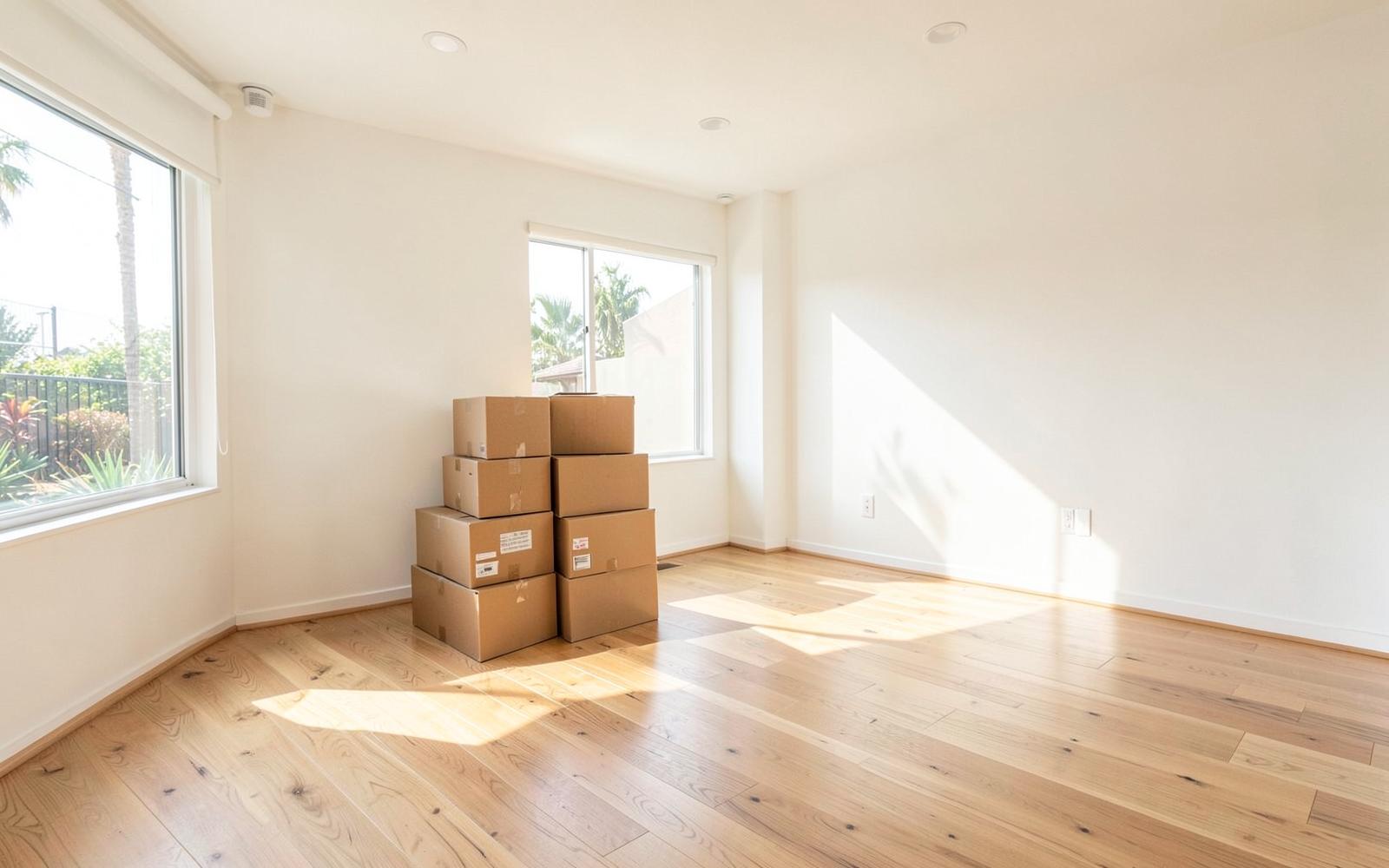
Moving is another expense buyers tend to mentally separate from the home purchase. But it is still part of the transition. Depending on your move, you may pay for:
- Movers
- Packing supplies
- Storage
- Cleaning
- Furniture
- Utility setup
- Temporary lodging
- Pet boarding
- Appliance delivery
If you are already stretching financially to close, those costs can feel much larger than expected.
18. Furniture and the “New House Effect”
One hidden cost is not required at all — but it happens constantly. You move into a larger home and suddenly the furniture from your apartment or condo looks tiny. Then comes the dining table, bar stools, outdoor furniture, rugs, guest-room furniture, new decor, and storage systems.
There is nothing wrong with making the house your own. Just remember that you do not have to furnish and renovate everything during the first month.
The Same Purchase Price Can Mean a Completely Different Budget
Imagine two Orange County homes both listed for $900,000.
Home A
Established neighborhood
- Purchase price
- $900,000
- HOA dues
- None
- Mello-Roos
- None
Estimated total
Lower monthly cost
Home B
Newer community
- Purchase price
- $900,000
- HOA dues
- $450 / month
- Special assessment
- Additional annual charge
Estimated total
Thousands more per year
The list price is identical. The monthly cost is not. That difference can add thousands of dollars per year to the cost of ownership.
This is why I don't like evaluating homes based solely on the price shown in a listing portal.
Hidden Costs to Check Before Making an Offer
Before deciding what a property is worth to you, look beyond the asking price. I recommend checking:
- Estimated property taxes
- HOA dues
- Number of HOAs
- Mello-Roos
- Special assessments
- Insurance availability
- Estimated insurance premium
- Age of major systems
- Solar agreement
- Pool expenses
- Upcoming HOA projects
- Known maintenance issues
You may not have every answer before submitting an offer, but you should understand as much as possible during your investigation period.
Questions to Ask When Buying a Condo or HOA Property
For HOA properties, buyers should review the actual documents rather than simply asking, “How much is the HOA?” Important questions include:
- What does the HOA cover?
- Are there current or upcoming special assessments?
- How healthy are the reserves?
- Is the HOA planning major repairs?
- Has the monthly fee increased recently?
- Are there rental restrictions?
- Are there insurance issues?
- Are there multiple associations?
The monthly dues are only one piece of the HOA picture.
How Much Should You Keep in Reserves?
There is no single number that is appropriate for every buyer. But I generally think buyers should avoid structuring a purchase in a way that leaves them with virtually no cash after closing.
Homeownership comes with unpredictability. Having reserves gives you room to handle a repair, move-in expense, insurance deductible, or unexpected maintenance issue without immediately relying on credit. Your lender and financial advisor can help you determine what is appropriate for your specific situation.
Should You Buy the Maximum Amount You're Approved For?
Not necessarily. The amount a lender approves you for and the amount you personally feel comfortable spending every month can be very different numbers. A lender is evaluating whether you meet underwriting guidelines. You are deciding what kind of lifestyle you want after you make the mortgage payment.
That distinction matters. When I work with buyers, I would rather understand the monthly payment they genuinely feel comfortable with and then build the home search around that.
Frequently Asked Questions
What are the hidden costs of buying a home in Orange County?
Common costs beyond the purchase price include closing costs, property taxes, supplemental taxes, homeowners insurance, HOA dues, Mello-Roos, inspections, repairs, maintenance, utilities, landscaping, and moving expenses.
How much are closing costs for a buyer in California?
Closing costs vary depending on the loan, escrow, title services, prepaid expenses, property, and transaction. Buyers should request a personalized estimate from their lender and escrow professionals instead of relying on one universal percentage.
What is a supplemental property-tax bill?
A supplemental tax bill can be issued after a change in ownership when the county reassesses the property based on the new purchase price. It generally covers the difference between the previous assessed value and the new assessed value for the relevant portion of the tax year.
What is Mello-Roos?
Mello-Roos is a special property tax used in certain California communities to finance public facilities and services. The amount varies by property and community and is separate from normal HOA dues.
Does every Irvine home have Mello-Roos?
No. Whether a property has Mello-Roos depends on the specific community and parcel. Buyers should verify the actual property-tax information for the home they are considering.
Is HOA included in a mortgage payment?
HOA dues are generally a separate monthly expense, but they still affect your overall housing budget and may be considered by a lender when determining qualification.
Should I keep money after closing?
In most cases, maintaining reserves can make homeownership more comfortable because repairs and unexpected expenses can occur after closing. The appropriate reserve amount depends on your finances, property, and risk tolerance.
The Bottom Line
The purchase price is only the beginning of the financial picture when buying a home in Orange County. A home with no HOA and minimal deferred maintenance may cost less to own than a less-expensive property with high association dues, special assessments, and immediate repairs.
A newer Irvine property may have very different recurring expenses from an established home in Huntington Beach, Fountain Valley, Garden Grove, Westminster, Tustin, Orange, or another Orange County community. Neither is automatically better. The goal is to understand exactly what you're buying — and what it is realistically going to cost you after you get the keys.
This article is for educational purposes only and is not financial, tax, or legal advice. Costs, taxes, and assessments vary by property and transaction. Consult your lender, escrow officer, insurance professional, and tax advisor for guidance specific to your situation.
Thinking About Buying in Orange County?
If you're starting an Orange County home search, I can help you compare properties based on much more than the list price. We'll look at the monthly payment, HOA, Mello-Roos, condition, renovation needs, neighborhood, property taxes, and the other details that determine whether a home actually makes sense for your budget and lifestyle. I'm Lauren Greaves with First Team Real Estate and The Lily Campbell Team, the #1 resale real estate team in Orange County for six consecutive years. Start your Orange County buyer consultation and let's build a home search around the numbers that actually matter.
The Journal Newsletter
Stay up to date on Orange County real estate
Get new listings, local market updates, community events and real estate tips delivered directly to your inbox.
Keep reading