Orange County Buyer Education
Should You Buy a Condo or a House in Orange County in 2026?
Buyer Guides · Updated September 2026 · 13 min read
By Lauren Greaves, REALTOR® · The Lily Campbell Team at First Team Real Estate
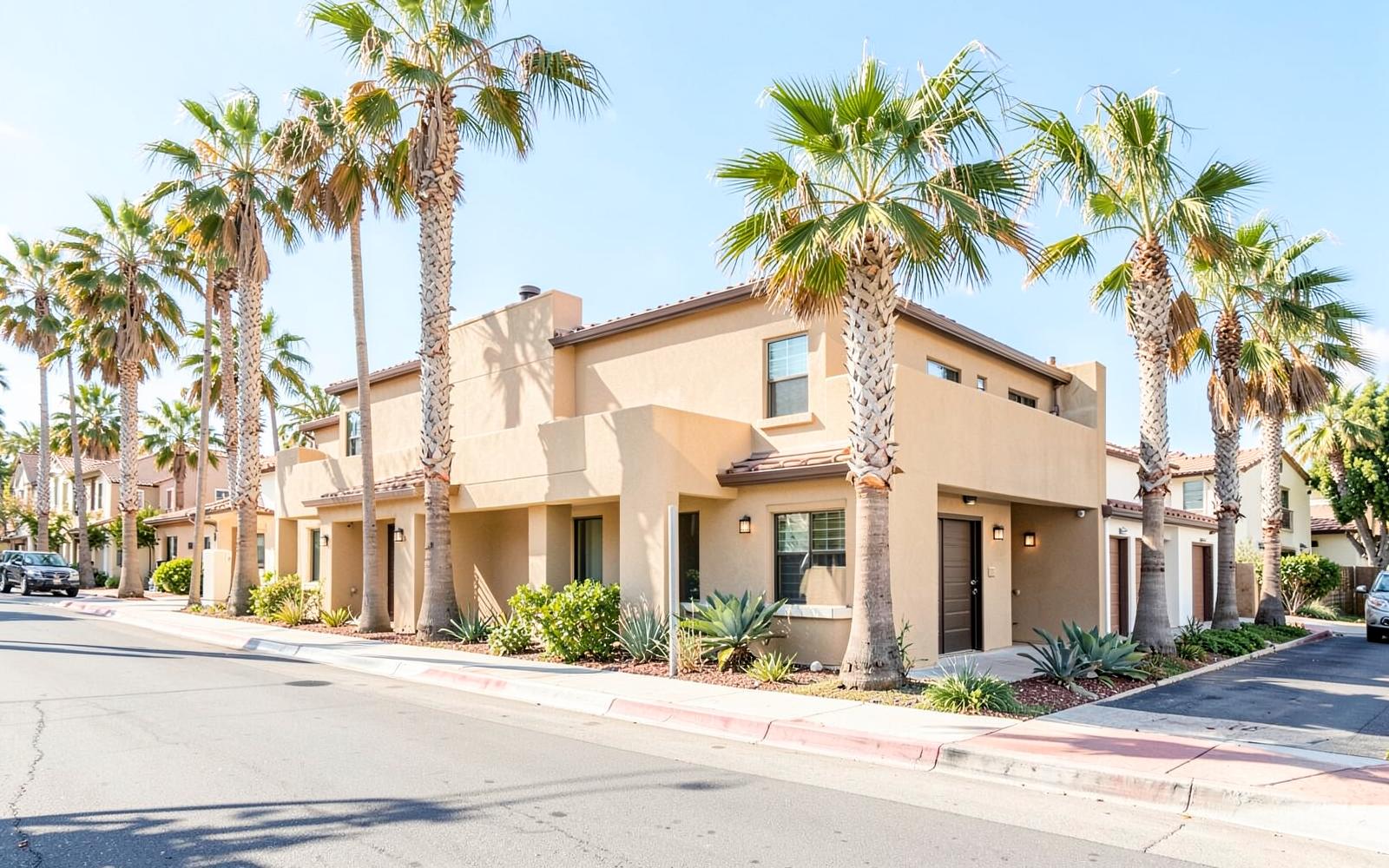
Almost every Orange County buyer I work with asks some version of the same question: should I buy a condo or a house? It usually comes up the moment they compare list prices and realize a condo or townhome may open up a city that a detached home in the same area does not.
The honest answer is that neither one is universally better. What matters is the total monthly cost of owning the property and how the home fits the way you actually live.
I'm Lauren Greaves, an Orange County real estate agent with the Lily Campbell Team at First Team Real Estate, and this guide walks through the real differences — price, HOA dues, maintenance, insurance, parking, privacy, renovation freedom and resale — so you can compare properties instead of property types.
Condo vs. house in Orange County: the biggest differences
Here is the short version of how the two ownership types usually differ. Every community is different, so treat this as a framework for questions to ask rather than a rule.
| Factor | Condo or townhome | Detached house |
|---|---|---|
| Purchase price | Often lower at a similar location and size | Often higher in the same area |
| HOA dues | Usually required, sometimes substantial | Sometimes none, sometimes a modest community HOA |
| Exterior maintenance | Association may handle some or most of it | Owner is generally responsible |
| Yard | Patio, balcony or shared greenbelt | Private yard in most cases |
| Privacy | Shared walls, ceilings or floors are common | More separation in most cases |
| Parking | Garage, carport or assigned spaces, often limited | Garage and driveway in most cases |
| Insurance | HOA master policy plus an individual condo policy | Individual homeowners policy |
| Special assessments | Possible for major community projects | Less common, though HOA communities can have them |
| Rules and restrictions | CC&Rs govern many exterior and some interior items | Fewer restrictions, though city rules still apply |
| Renovation freedom | Often requires HOA approval | Generally more control, permits still required |
| Amenities | Pools, gyms, clubhouses and gates are common | Usually none unless the neighborhood has an HOA |
| Resale | Depends heavily on HOA health, dues and inventory | Depends heavily on lot, location and condition |
1. Purchase price
In many Orange County markets, condos and townhomes offer a lower entry price than comparable detached single-family homes. That gap varies dramatically by city, community age, square footage and location within the city.
Depending on current inventory, buyers may find attached options in Irvine, Tustin, Costa Mesa, Huntington Beach, Fountain Valley, Orange and Westminster, plus a wider range of price points in Anaheim and Garden Grove. You can browse all of them from the Orange County city guides.
The important part: at similar budgets, an attached home may buy you a newer build, a better location, or more square footage than a detached home in the same city — or none of the above. It depends entirely on what is available when you are shopping.
2. HOA dues change affordability more than buyers expect
This is the section I would read twice. HOA dues are a real, recurring housing cost, and they can move your monthly payment as much as tens of thousands of dollars of purchase price would.
A condo listed at $800,000 with a $500 monthly HOA does not cost the same each month as an $800,000 house with no HOA. Same price, different monthly reality.
What HOA dues may cover
- Exterior maintenance and paint
- Roof repair or replacement, depending on the association
- Landscaping and common-area upkeep
- The community master insurance policy
- Pools, spas, clubhouses and fitness facilities
- Gates, private streets and security
- Trash service, and in some communities certain utilities
Coverage varies widely by association. Two condos in the same city with identical dues can cover very different things. Always review the actual HOA documents before you remove contingencies — and confirm whether the community carries more than one association.
3. Maintenance responsibility vs. maintenance cost
With a condo, the association may handle a portion of the exterior and common-area maintenance. With a detached house, the owner is generally responsible for the roof, exterior paint, yard, fencing, plumbing, HVAC, drainage, landscaping and exterior repairs.
Here is the distinction that gets missed: lower maintenance responsibility is not the same as lower total cost. In a condo, you are still paying for that maintenance — through your dues, and sometimes through assessments — you simply are not managing it yourself. Some buyers happily pay for that convenience. Others would rather control the timing and the budget.
4. Special assessments
Condo and HOA communities can levy special assessments when a major project or funding shortfall comes up. This is normal community management, not a red flag on its own — but it belongs in your due diligence.
- Roof replacement or major building repairs
- Balcony and structural inspections or repairs
- Insurance shortfalls or premium increases
- Exterior improvements and repainting
- Community infrastructure such as streets, plumbing or electrical
- Any assessment currently in place, and how long it runs
- Any assessment that has been discussed or approved but not yet billed
- Reserve study and reserve funding level
- Recent HOA meeting minutes
- Major projects planned in the next few years
- Litigation disclosures, where applicable
5. Insurance
Condo buyers usually need to understand two policies: the HOA master policy that covers the building and common areas, and an individual condo policy covering the interior and personal liability. Where one ends and the other begins is spelled out in the association's documents.
A detached-home owner typically carries a single homeowners policy covering the structure and other specified protections. Cost and availability vary by property, age, location and construction — so get real quotes on the specific home rather than an estimate. I'm a Realtor, not an insurance or financial advisor, so confirm details with a licensed insurance professional.
6. Yard and outdoor space
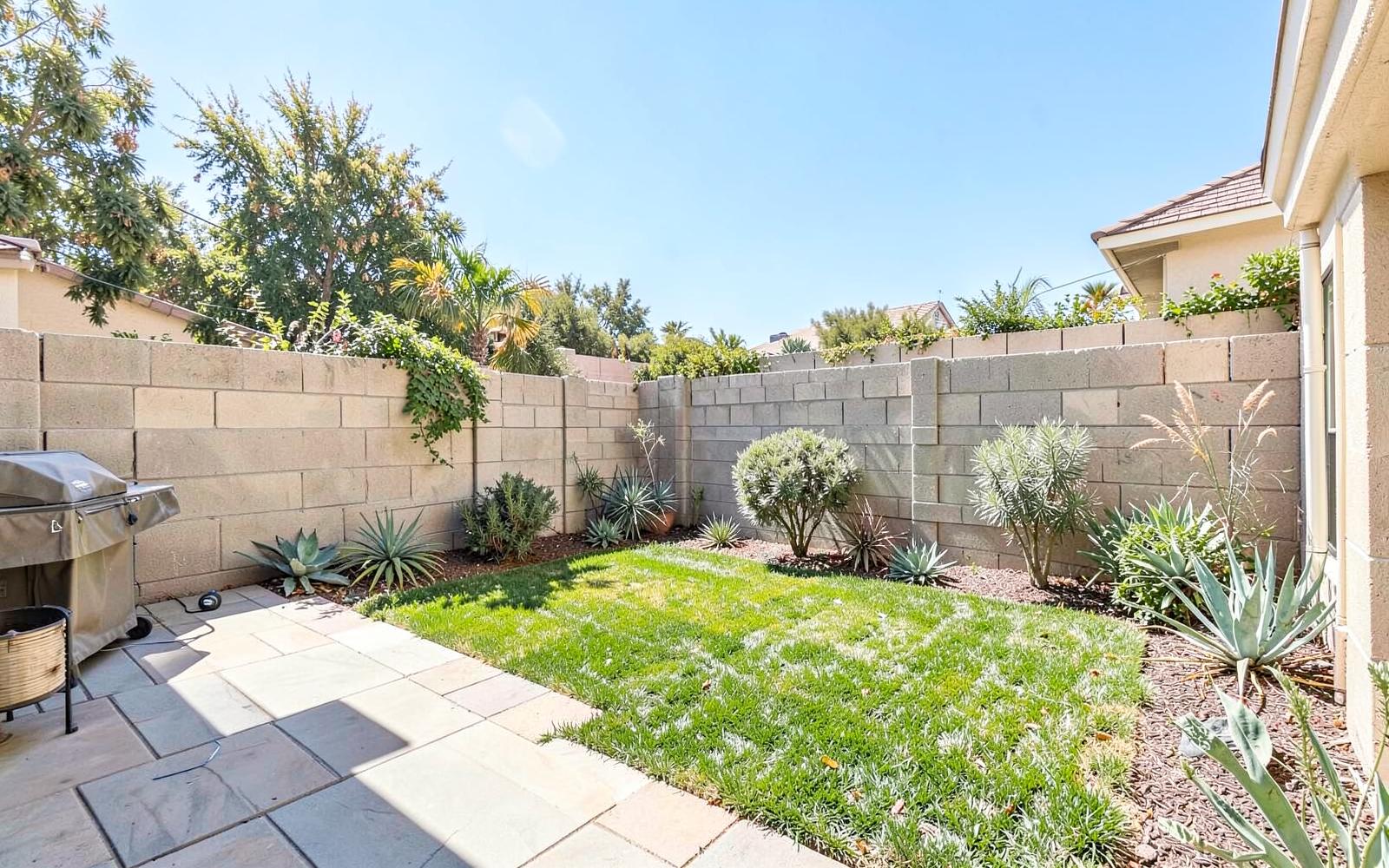
Detached homes usually provide more private outdoor space. Condos may offer a patio, a balcony, a small courtyard, shared greenbelts and a community pool instead.
This is where lifestyle matters more than spreadsheets. If you have dogs, young kids, a real interest in gardening, or you host people outdoors regularly, a private yard may be worth paying for. If your outdoor time is mostly at the beach, the park or a trail, a shared greenbelt may serve you just as well.
7. Parking and garages
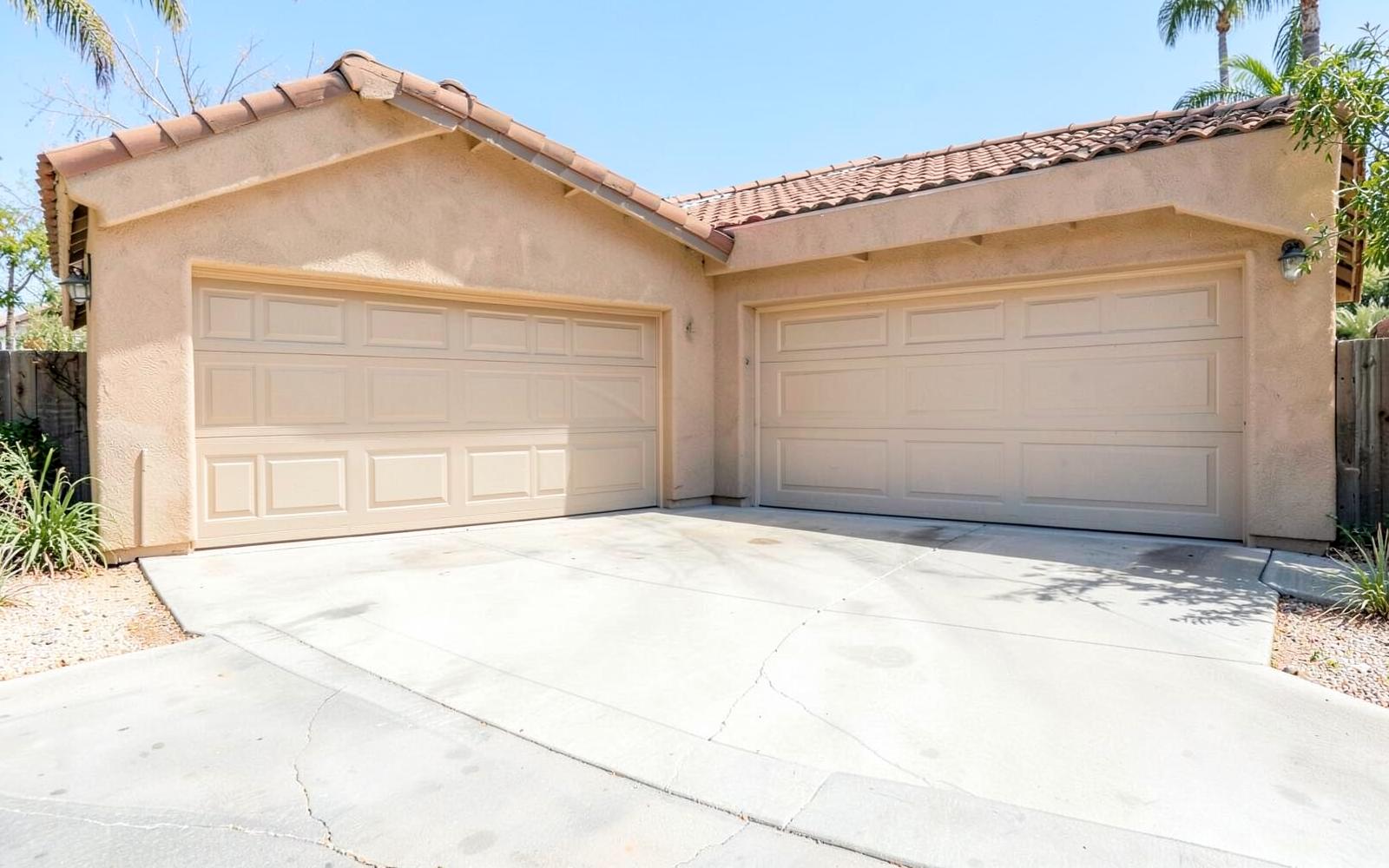
Parking is one of the most underrated day-to-day satisfaction factors in Orange County, especially in older beach-adjacent and central communities.
- Attached garage with direct interior access
- Detached garage, sometimes across a courtyard from the front door
- Assigned spaces or a carport rather than a garage
- Tandem parking that only works for certain vehicles
- Street parking availability and permit requirements
- Guest parking limits and HOA towing rules
If you have two or three drivers, a truck, or frequent guests, walk the parking situation at different times of day before you commit.
8. Privacy and noise
Condos and townhomes may share walls, ceilings, floors, hallways or garages. Detached homes typically give you more separation.
That said, plenty of detached Orange County neighborhoods have small lots, close setbacks, freeway or arterial road noise and higher density. An end-unit townhome backing to a greenbelt can be quieter than a detached home on a busy corner. Evaluate the actual property, at the actual time of day you would be home — not the property type.
9. Renovation freedom
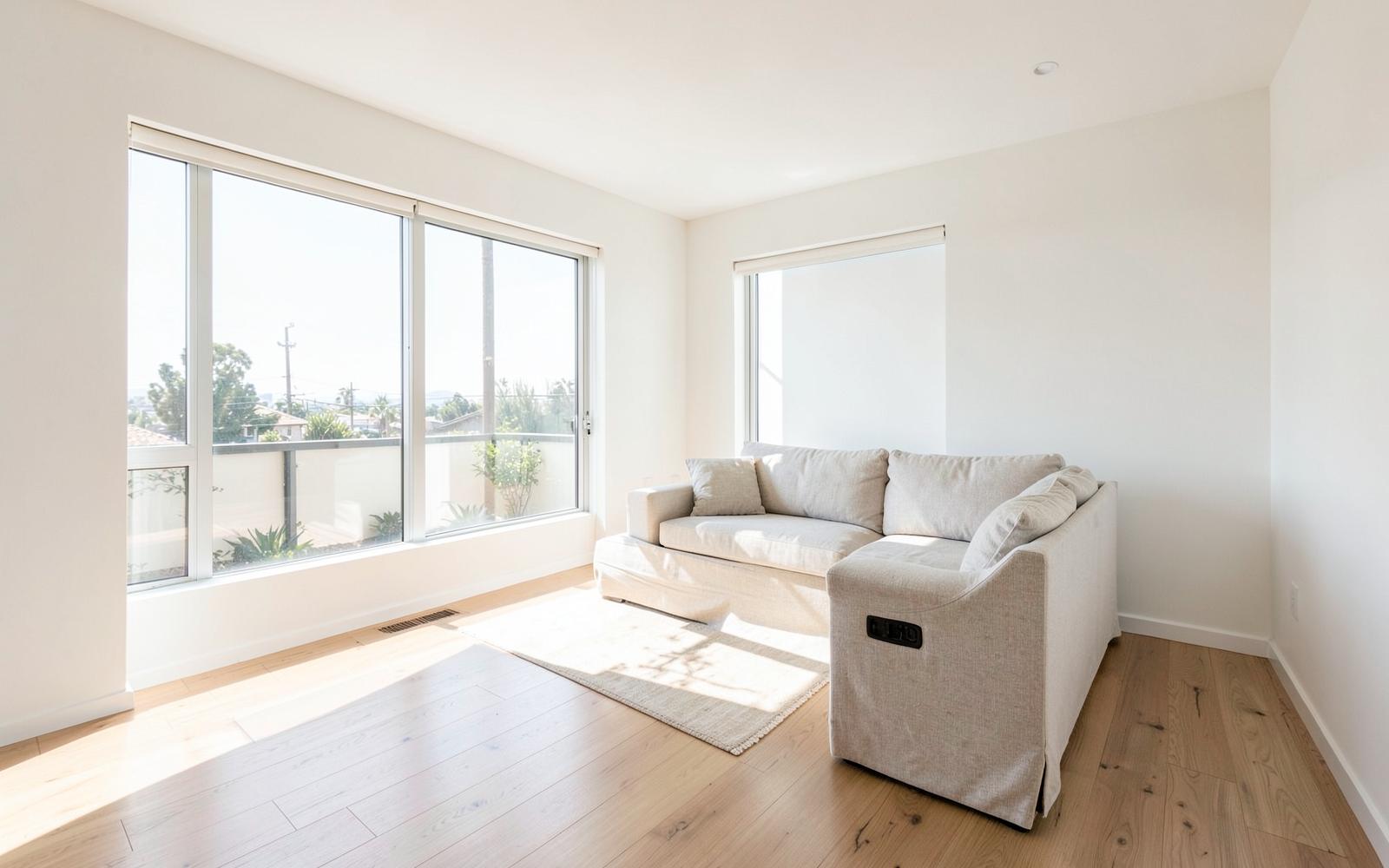
Condo owners may face HOA rules covering flooring materials and soundproofing, window and slider replacement, exterior paint and finishes, patio and balcony modifications, air conditioning placement, and any structural change.
Detached homes generally offer more control, though city permitting rules — and an HOA where one exists — still apply. If you are buying with a remodel in mind, read the CC&Rs before you fall in love with a plan.
10. Amenities
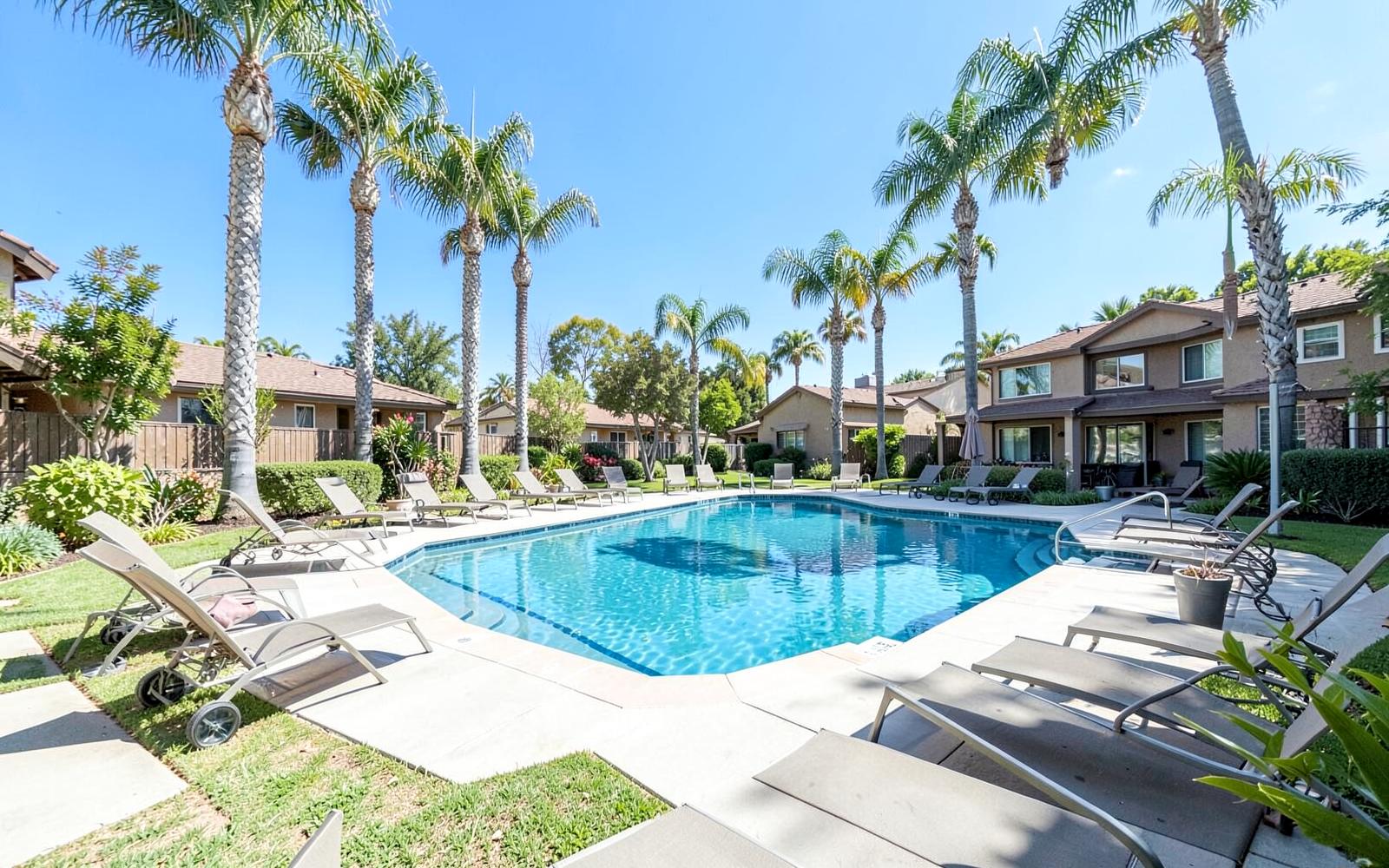
Condo and master-planned communities may include pools, spas, fitness centers, clubhouses, parks, sports courts, gated entrances and maintained landscaping. These can be genuinely valuable — if you use them.
The useful test: would you personally pay for these amenities if they were optional? If yes, the dues are buying something you want. If you would not, you may be funding a lifestyle that belongs to your neighbors.
11. Resale
Resale depends on the neighborhood, condition, HOA health, inventory, location, schools, parking, floor plan, views, amenities, monthly dues and overall buyer demand — not simply on whether the home is attached or detached.
Detached homes and condos can behave differently depending on supply, location, buyer demand and the specific community. A well-run association with healthy reserves and reasonable dues supports value. High dues, deferred maintenance or ongoing litigation can narrow your buyer pool later.
Where condos can make sense in Orange County
Irvine
Buyers may find newer construction, master-planned amenities and a wide range of attached floor plans. Irvine is also where comparing total monthly cost matters most, because HOA dues and Mello-Roos can both be in play. Start with the Irvine city guide.
Tustin
A mix of condos, townhomes and detached homes across a range of community ages and HOA structures, which makes it a useful comparison market for buyers also looking at Irvine. See the Tustin city guide.
Costa Mesa
Central location and coastal-adjacent lifestyle, with condo and townhome options that can put buyers closer to the beach and to Newport-adjacent amenities than a detached budget might allow. See the Costa Mesa city guide.
Huntington Beach
Condos exist both near the beach and further inland, with meaningfully different HOA structures and parking situations between them. Parking deserves extra attention here. See the Huntington Beach city guide.
Anaheim, Garden Grove and Westminster
Depending on current inventory, buyers may find a wider range of both attached and detached options at certain budgets — useful if you are prioritizing square footage or entry price. See the Westminster city guide and the full city guides map.
When a condo may be the better fit
- You want a lower entry purchase price
- You want less exterior maintenance to manage yourself
- You will actually use community amenities
- You want access to a more expensive location
- You travel often and want lock-and-leave convenience
- You do not need a large private yard
- You are comfortable living within HOA rules
When a house may be the better fit
- You want more privacy and fewer shared walls
- You want a private yard
- You need garage and driveway parking
- You want renovation flexibility
- You expect to grow into the home
- You are comfortable handling maintenance yourself
- You prefer fewer HOA restrictions
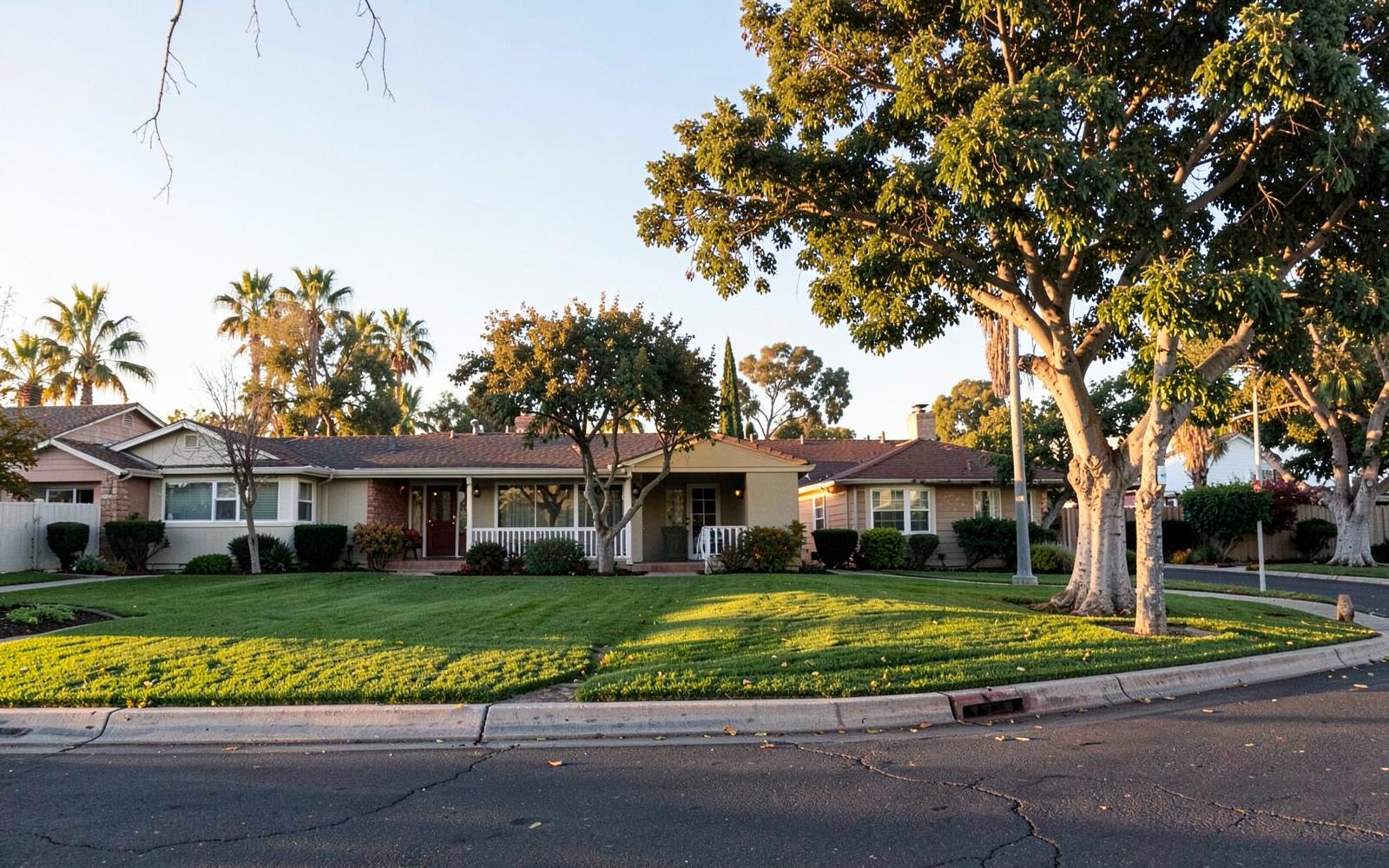
Is a condo better for first-time buyers in Orange County?
A condo can be a practical entry point for first-time buyers, because the purchase price may be lower than a detached home in the same general area. But you still need to account for HOA dues, insurance, reserves, potential special assessments and financing requirements — some lenders review the association itself, not just the borrower.
The cheapest purchase price is not automatically the best choice. Compare the full monthly number, then compare how each home fits the next five to ten years of your life. Our hidden costs of buying a home in Orange County guide walks through the line items most buyers forget.
What the same budget can look like
This is an illustrative comparison, not a specific listing. It shows how two homes at a similar budget can feel completely different in practice.
Option A — Condo
Illustrative example only
- Purchase price
- $850,000
- HOA dues
- $450 / month
- Outdoor space
- Patio + community pool
- Walls
- Shared
- Exterior upkeep
- Largely association-managed
Estimated total
Lower price, added monthly dues
Often appeals to buyers who want convenience, amenities or a specific location.
Option B — Detached home
Illustrative example only
- Purchase price
- $900,000
- HOA dues
- None
- Outdoor space
- Private yard
- Walls
- No shared walls
- Exterior upkeep
- Owner-managed
Estimated total
Higher price, no dues, more upkeep
Often appeals to buyers who want space, parking and control — and may be dated inside.
Neither column is the winner. The better option is the one that matches what you value and what you are willing to manage. If you want to see how a target monthly payment translates into real Orange County options, read what a $6,000 monthly housing budget buys in Orange County.
Quick answers to common condo vs. house questions
Is it better to buy a condo or house in Orange County?
Neither is universally better. A condo often wins on purchase price and maintenance convenience; a house often wins on privacy, yard, parking and control. Compare total monthly cost and lifestyle fit rather than property type.
Are condos cheaper than houses in Orange County?
Condos frequently have lower purchase prices than comparable detached homes, but HOA dues and potential special assessments can narrow or erase that gap on a monthly basis.
Is buying a condo worth it in Orange County?
It can be, particularly if it gives you access to a location or a newer home you could not otherwise reach, and you will use the amenities you are paying for.
Are HOA fees included in the mortgage?
HOA dues are typically paid separately from your mortgage payment, but lenders count them in your qualifying housing cost — and so should you.
Do condos appreciate in Orange County?
Condos can appreciate, and they can also behave differently from detached homes depending on supply, location, buyer demand, dues and the health of the association.
Should I buy a condo in Irvine?
Irvine condos can be a strong fit for buyers who want newer construction and amenities, provided you compare HOA dues and any Mello-Roos against a detached alternative on a total monthly basis.
Is a house better if I have dogs or kids?
Often, yes — a private yard and no shared walls make daily life simpler. Some condo communities are very family- and pet-friendly, so check pet rules, greenbelts and park access before ruling either out.
What to review before buying a condo
- CC&Rs and community rules
- HOA budget and current dues
- Reserve study and funding level
- Recent meeting minutes
- Master insurance policy and your required individual policy
- Current and planned special assessments
- Parking assignments, guest parking and towing rules
- Pet rules and weight or breed limits
- Rental and leasing restrictions
- Litigation disclosures, where applicable
Frequently asked questions
Is it better to buy a condo or house in Orange County?
It depends on your monthly budget and how you live. A condo may fit if you want a lower purchase price, less exterior maintenance or access to a pricier area. A house may fit if privacy, a yard, parking and renovation freedom matter more. Compare the full monthly cost of each specific property, not the category.
Are condos cheaper than houses in Orange County?
Condos often have lower purchase prices than comparable detached homes in the same area. Monthly affordability is a different question: HOA dues, insurance structure and possible special assessments can bring a condo's monthly cost closer to — or above — a detached home at a somewhat higher price.
Are HOA fees included in a mortgage payment?
HOA dues are usually billed separately by the association rather than included in your mortgage payment. They still count toward your total monthly housing cost, and lenders include them when qualifying you, so budget for them from the start.
Are condos good for first-time home buyers?
They can be a practical entry point, since the purchase price may be lower than a detached home nearby. First-time buyers should still review HOA dues, reserves, assessments, insurance requirements and any lender conditions tied to the association before deciding.
Can a condo have multiple HOA fees?
Yes. Some Orange County communities have more than one association — for example a building or sub-association plus a master association — and each can bill separately. Verify every recurring fee tied to the property before you write an offer.
Can condos have special assessments?
Yes. Associations may levy special assessments to fund major projects such as roof replacement, structural or balcony repairs, exterior improvements or insurance shortfalls. Reviewing reserves and recent meeting minutes helps you see what may be coming.
What should I review before buying a condo?
Review the CC&Rs, HOA budget, reserve study, recent meeting minutes, master insurance policy, current and planned special assessments, parking rules, pet rules, rental restrictions and any litigation disclosures. These documents tell you what ownership will actually cost and what you are allowed to change.
This article is general education, not financial, tax, legal or insurance advice. Every community and property is different — always review the actual HOA documents and consult the appropriate licensed professionals.
Not sure whether you should be looking at condos or houses?
Your budget may open up more options than you think — especially if you compare purchase price, HOA dues, neighborhood, maintenance and monthly cost together. Tell me what you want your monthly payment to look like, the areas you like, and what matters most to you in a home, and I'll help you compare condos, townhomes and detached homes side by side.
The Journal Newsletter
Stay up to date on Orange County real estate
Get new listings, local market updates, community events and real estate tips delivered directly to your inbox.
Keep reading