Orange County Affordability
What Does a $6,000 Monthly Housing Budget Buy in Orange County?
Buyer Guides · Updated September 2026 · 12 min read
By Lauren Greaves, REALTOR® · The Lily Campbell Team at First Team Real Estate
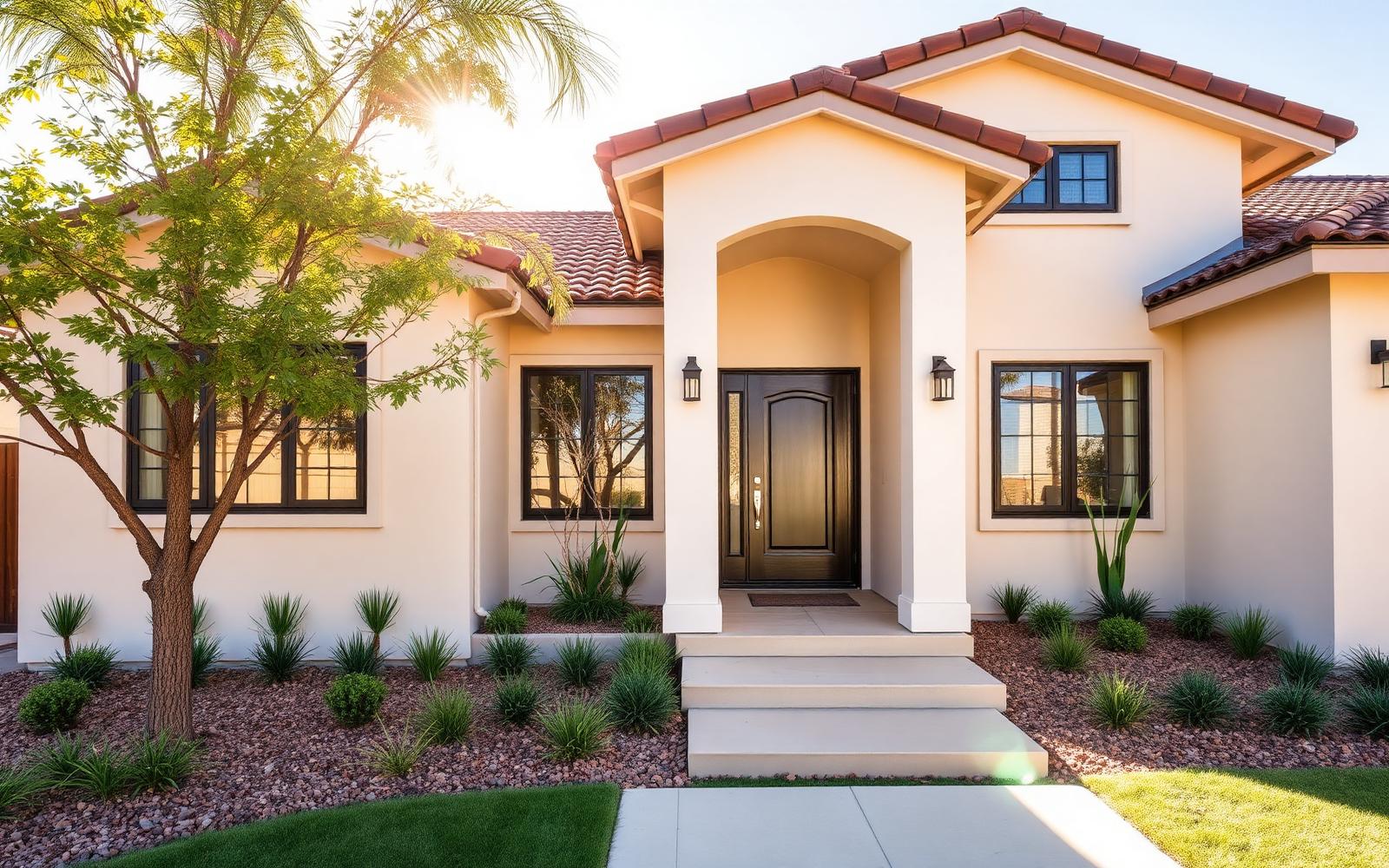
Most Orange County buyers start with a purchase price. A far more useful starting point is a monthly number — the total amount you are genuinely comfortable spending on housing each month.
Here is the part that surprises people: a $6,000 monthly housing budget does not mean a $6,000 mortgage payment. Your monthly housing cost also includes property taxes, homeowners insurance, HOA dues where they apply, Mello-Roos or special assessments where they apply, and mortgage insurance if your down payment is under 20%.
That means the same $6,000 can buy very different homes. A detached house with no HOA may support a meaningfully higher purchase price than a newer condo or Irvine home carrying association dues and a special assessment — even though the monthly cost is identical.
I’m Lauren Greaves, an Orange County REALTOR® with The Lily Campbell Team at First Team Real Estate, and I work with buyers across Huntington Beach, Fountain Valley, Irvine, Costa Mesa, Tustin, Orange, Westminster, Garden Grove, Anaheim and the surrounding communities. Below is how I walk buyers through the math.
Assumptions used throughout this article: 30-year fixed mortgage at approximately 6.65% (Freddie Mac Primary Mortgage Market Survey average 30-year fixed rate as of August 20, 2026), 20% down, owner-occupied primary residence, an illustrative property-tax estimate of roughly 1.15% annually, estimated homeowners insurance, and no mortgage insurance. HOA dues and Mello-Roos are shown separately. Rates, insurance premiums, tax rates, HOA dues, credit profiles, loan programs and individual qualifications vary.
First: What Does a $6,000 Housing Budget Actually Include?
A $6,000 monthly housing budget is the total of everything you pay to own the home each month — not just the loan payment. Lenders describe the core four as PITI.
- Principal — the portion of each payment that reduces your loan balance.
- Interest — the cost of borrowing, which dominates the payment in the early years.
- Property taxes — billed by the county and usually collected monthly through impounds.
- Insurance — a homeowners policy, which lenders require on a financed home.
In Orange County, three more line items regularly change the math:
- HOA dues — common in condos, townhomes, attached homes and many master-planned neighborhoods. Some properties belong to more than one association.
- Mello-Roos or special assessments — additional charges found in certain communities, often newer ones, used to fund public facilities and services.
- Mortgage insurance — typically applies when the down payment is under 20%, depending on the loan program.
On property taxes specifically: California begins with a 1% base property-tax levy, but the actual rate on a given property can be higher because of voter-approved debt, local assessments, Mello-Roos and other property-specific charges. That is why this article uses roughly 1.15% as an illustration rather than a rule — not every Orange County property is taxed at that rate. General property-tax information should be confirmed with the Orange County Assessor and the specific tax bill for the property.

What $6,000 Per Month Could Look Like
At a 6.65% mortgage rate, a $6,000 total monthly housing budget with 20% down could roughly support a purchase around $950,000 when there is no HOA or significant special assessment. Here are three illustrative scenarios, each landing near $6,000 per month.
Scenario 1 — No HOA
Detached home, no association dues
- Purchase price
- ~$950,000
- Down payment (20%)
- ~$190,000
- Loan amount
- ~$760,000
- Principal & interest
- ~$4,879
- Property taxes (est.)
- ~$910
- Insurance (est.)
- ~$175
- HOA
- $0
Estimated total
~$5,965/mo
Scenario 2 — Moderate HOA
Townhome or planned community
- Purchase price
- ~$900,000
- Down payment (20%)
- ~$180,000
- Loan amount
- ~$720,000
- Principal & interest
- ~$4,622
- Property taxes (est.)
- ~$862
- Insurance (est.)
- ~$175
- HOA
- ~$300
Estimated total
~$5,960/mo
Scenario 3 — Higher HOA
Newer or attached community
- Purchase price
- ~$850,000–$875,000
- Down payment (20%)
- ~$170,000–$175,000
- Loan amount
- ~$680,000–$700,000
- Principal & interest
- ~$4,365–$4,494
- Property taxes (est.)
- ~$815–$839
- Insurance (est.)
- ~$175
- HOA
- ~$500
Estimated total
~$5,855–$6,010/mo
These are approximate, illustrative figures that will shift depending on property taxes, insurance and any additional special assessments. Adding Mello-Roos on top of these examples would reduce the affordable purchase price further. None of these are loan approvals or lending quotes.
Scenario 1: Around $950,000 With No HOA
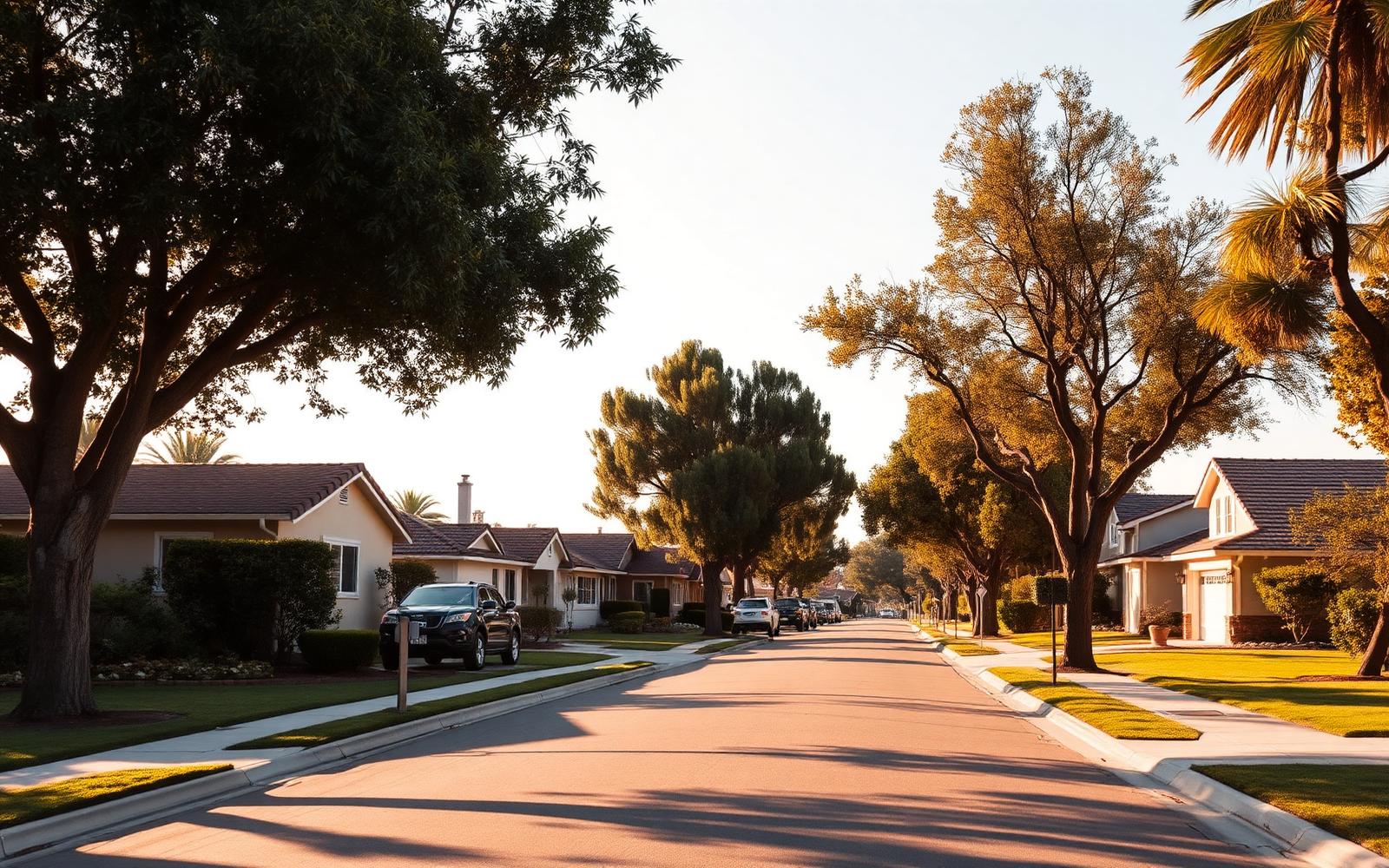
With no association dues, nearly the entire budget goes toward principal, interest, taxes and insurance — so the purchase price can stretch the furthest. This is often an older detached home in an established neighborhood, and it may come with more maintenance responsibility since there is no association handling shared areas, roofs or landscaping.
Scenario 2: Around $900,000 With a $300 HOA
A $300 monthly HOA removes $300 from what can go toward the loan payment. At current rates, that shifts buying power down by roughly $45,000 to $50,000 in purchase price. In exchange, dues may cover common-area maintenance, landscaping, insurance on shared structures, or amenities — which can offset some ownership costs elsewhere.
Scenario 3: Around $850,000–$875,000 With a $500 HOA
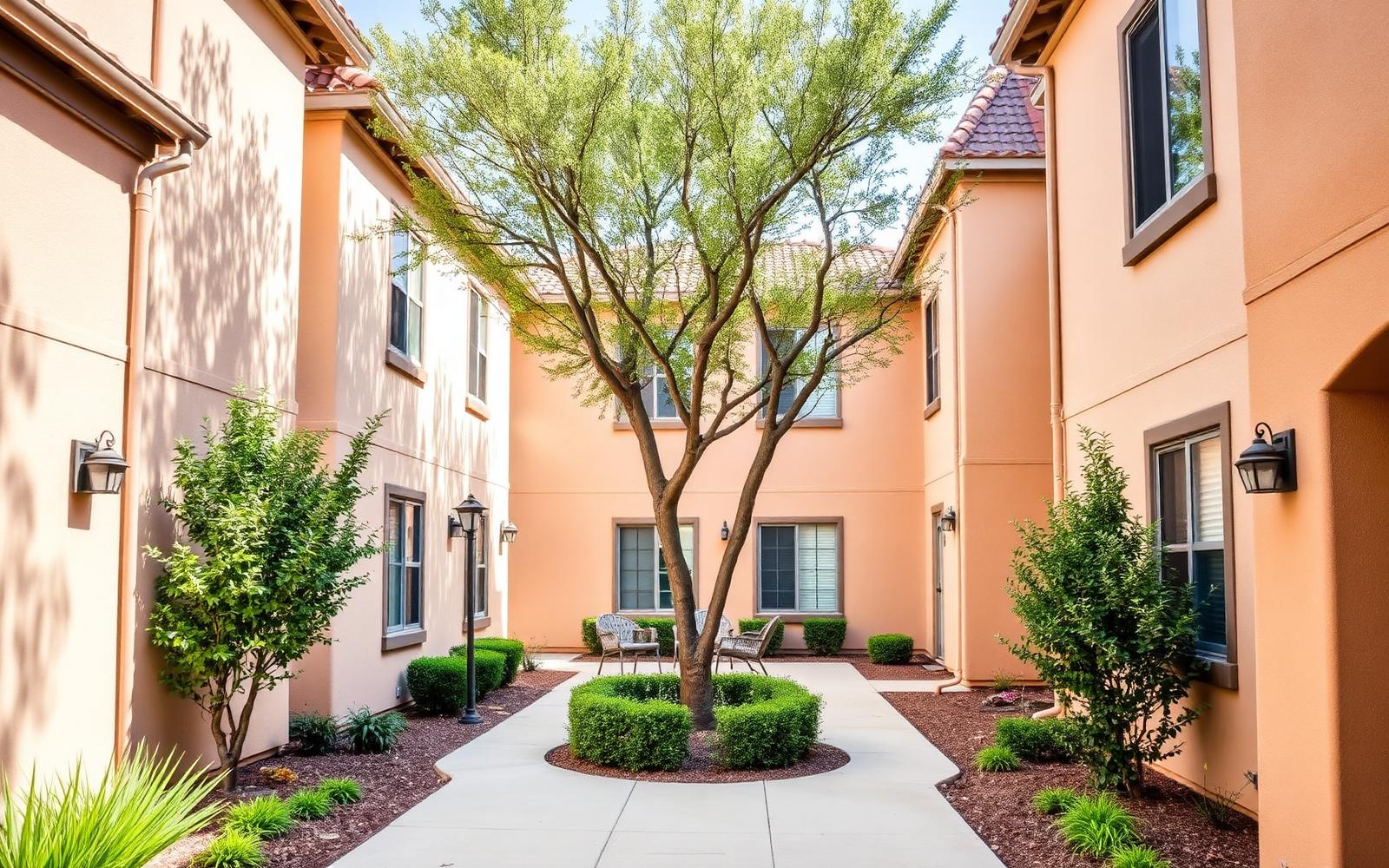
Newer construction, condos, townhomes and attached properties more often carry dues in this range, sometimes across two associations. The homes may be newer and require less immediate work, but the recurring cost reduces the price the same $6,000 can support by roughly $75,000 to $85,000 compared with a no-HOA property.
Why Two $900,000 Homes Can Have Very Different Monthly Payments
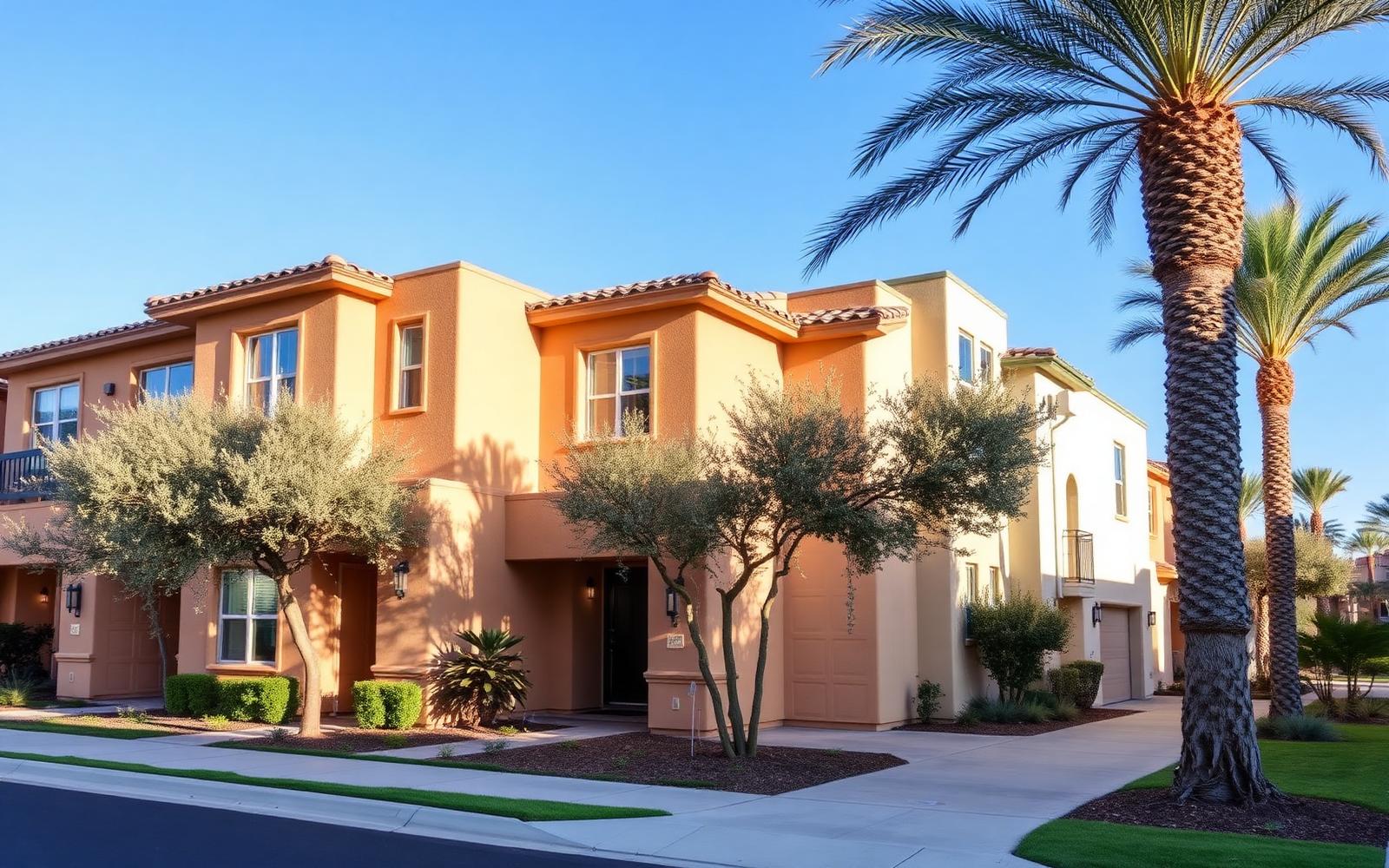
Two homes can share an identical list price and still cost hundreds of dollars a month apart. The difference is recurring charges, not price.
Home A — $900,000
No HOA, no Mello-Roos
- Principal & interest
- ~$4,622
- Property taxes (est.)
- ~$862
- Insurance (est.)
- ~$175
- HOA
- $0
- Mello-Roos
- $0
Estimated total
~$5,660/mo
Fits comfortably inside a $6,000 monthly budget.
Home B — $900,000
$450 HOA + $250 Mello-Roos
- Principal & interest
- ~$4,622
- Property taxes (est.)
- ~$862
- Insurance (est.)
- ~$175
- HOA
- ~$450
- Mello-Roos
- ~$250
Estimated total
~$6,360/mo
Same list price, roughly $700 more per month — above a $6,000 budget.
That $700 monthly gap is the single most important reason to shop by monthly cost instead of list price. Over a year it is roughly $8,400, and in purchase-price terms it is well over $100,000 of buying power.
Estimate Your Own Numbers
Adjust the inputs below to see how price, down payment, rate, taxes, insurance, HOA and special assessments interact. Start with the monthly number you are comfortable with, then work backward to a price.
Estimate it yourself
Monthly housing payment calculator
Estimated total monthly payment
$5,964
About $36 under your $6,000 monthly budget.
- Principal & interest
- $4,879
- Estimated property taxes
- $910
- Homeowners insurance
- $175
- HOA dues
- $0
- Mello-Roos / special assessments
- $0
- Down payment
- $190,000
- Loan amount
- $760,000
For educational purposes only. This is not a loan estimate, preapproval, lending commitment, tax advice, or financial advice. Assumes a 30-year fixed loan and no mortgage insurance. Contact a licensed mortgage professional for personalized financing information.
Where Could You Buy Around This Budget in Orange County?
Around the high-$800Ks to mid-$900Ks, buyers may find a mix of property types rather than one consistent option — depending on current inventory. That can include older or smaller single-family homes in some neighborhoods, certain condo or townhome communities, and attached homes in newer developments.
- Huntington Beach — buyers may find condos and townhomes in this range, with detached homes typically higher depending on location and proximity to the coast.
- Fountain Valley — an established detached-home market where many properties have no HOA, though price points can be competitive.
- Irvine — condos and attached homes appear in this range more often than detached homes, frequently with dues and assessments.
- Tustin — a broad mix of older neighborhoods and newer developments, so recurring costs vary widely by community.
- Costa Mesa — condos, townhomes and smaller detached homes depending on neighborhood and current inventory.
- Garden Grove, Westminster and Anaheim — buyers may find older detached homes and townhomes here; compare Orange County neighborhoods to see how they differ.
- Orange and Lake Forest — a range of established and planned communities, with dues that depend heavily on the specific tract.
No city guarantees a specific property type at a specific price, and inventory changes constantly. The more useful way to search is property type + location + monthly cost, rather than city alone.
What About Irvine?
In Irvine, monthly cost deserves closer attention than list price. Many Irvine communities carry HOA dues, some carry more than one association, and newer villages frequently include Mello-Roos or other property-specific assessments.
That means a lower purchase price in Irvine does not always produce a lower monthly payment than an older property elsewhere with fewer recurring charges. Before comparing Irvine homes to anything else, confirm the actual dues and assessments on the specific address. You can explore homes and neighborhoods in Irvine in my city guide.

What About Huntington Beach and Fountain Valley?
In these established markets, buyers may encounter more neighborhoods where HOA dues are less common on certain detached homes — but price points can be higher, and older homes may need updating. The trade is usually lower recurring costs in exchange for a higher entry price or more renovation.
You can learn more about living in Huntington Beach or explore Fountain Valley in more detail.
How Much Does a $300 HOA Change Your Buying Power?
A $300 monthly HOA reduces purchasing power by roughly $45,000 to $50,000 at a 6.65% rate with 20% down. The logic is simple: $300 is money that can no longer be applied to principal and interest, and at current rates each $100 of monthly payment supports roughly $15,000 to $16,000 of purchase price.
A $500 monthly HOA reduces buying power by roughly $75,000 to $85,000 under the same assumptions. Add a $250 Mello-Roos on top and the reduction can exceed $110,000. These are illustrations, not quotes — the exact numbers depend on rate, tax rate and insurance.
What If You Put Less Than 20% Down?
You do not need 20% down to buy in Orange County. Many loan programs allow less, subject to qualification. The trade-offs are worth understanding.
- A smaller down payment means a larger loan balance, which raises principal and interest.
- It may add mortgage insurance, depending on the loan program and equity position.
- It preserves cash for reserves, closing costs, moving expenses or immediate improvements.
- It can allow you to buy sooner rather than spending additional years saving.
There is no universally correct answer here. A licensed lender can model several down-payment scenarios side by side so you can see the monthly difference before deciding.
Should You Focus on Purchase Price or Monthly Payment?
Both — but the monthly payment usually tells you more about how the home will affect your everyday finances. Purchase price determines your loan size, equity position and long-term appreciation base. Monthly payment determines whether the home is comfortable to own next month, next year and after a job change or a new expense.
Buyers who shop only by price frequently fall in love with a home that technically fits the search filter and then discover that dues and assessments push the monthly cost well past what they wanted.

Should You Wait for Mortgage Rates to Drop?
There is no single right answer, and no one can reliably predict rates. Lower rates do improve purchasing power — but they also tend to bring more buyers back into the market, which can increase competition and pressure prices. Waiting may save on the payment and cost you on the price, or the reverse.
The more practical question is whether the monthly payment works for your finances today, and whether the home fits your life for the next several years. Buying solely on the assumption that you can refinance later is not a plan I would build a purchase around.
How I Help Buyers Shop by Monthly Payment
Instead of setting a search to “up to $950,000” and hoping for the best, I help buyers evaluate each property as a complete monthly picture.
- Purchase price and realistic negotiating range
- HOA dues — including second associations
- Mello-Roos and any special assessments
- Approximate property taxes for that specific property
- Renovation or deferred-maintenance needs
- Neighborhood, commute and lifestyle fit
- Long-term resale considerations
- Total monthly cost against your comfort level
The result is a shortlist of homes that actually work at your monthly number — not a list of homes that merely fall under a price filter. If that sounds useful, you can start your Orange County buyer consultation, search Orange County homes, compare Orange County neighborhoods, or get in touch directly.
Frequently Asked Questions
What purchase price equals a $6,000 monthly payment?
Using the illustrative assumptions in this article — 20% down, a 30-year fixed loan around 6.65%, a roughly 1.15% property-tax estimate and typical insurance — a $6,000 total monthly budget could support a purchase price in the low-to-mid $900,000s with no HOA. Adding a $300–$500 HOA can bring that closer to the upper-$800,000s or low-$900,000s. HOA, taxes, insurance, down payment and interest rate all materially change the number.
Can I buy a $1 million home with a $6,000 monthly budget?
Under these assumptions it would likely be difficult once taxes and insurance are added. A larger down payment, a lower rate, a lower actual tax rate, or a property with no dues could change the outcome. A licensed lender can confirm what qualifies for you.
How much house can I afford in Orange County with 20% down?
Income, existing debt, credit, interest rate, your monthly comfort level, property taxes, insurance, HOA dues and lender underwriting all factor in. Lender approval sets the ceiling; your monthly budget usually sets the practical target.
How much does HOA affect mortgage affordability?
Recurring HOA dues count toward your monthly housing cost and are included in lender qualifying. A $300 HOA can reduce purchasing power by roughly $45,000–$50,000, and a $500 HOA by roughly $75,000–$85,000 under the assumptions used here.
What is Mello-Roos?
Mello-Roos is a special tax used in some California communities to help fund public facilities and services such as schools, roads, parks and infrastructure. It is charged in addition to base property taxes, and the amount varies by property and community.
Do all Irvine homes have Mello-Roos?
No. Whether it applies depends on the specific property and community. Many newer Irvine villages carry assessments while other Irvine homes do not — always confirm on the individual property.
Do I need 20% down to buy a home in Orange County?
No. Multiple financing options may permit lower down payments, subject to qualification. A smaller down payment generally means a larger loan, a higher payment and possible mortgage insurance, but preserves cash.
Mortgage rate benchmark: Freddie Mac Primary Mortgage Market Survey average 30-year fixed rate as of August 20, 2026. Property-tax framework: California’s 1% base levy plus voter-approved debt and property-specific charges — confirm actual rates and assessments with the Orange County Assessor and the property’s tax bill. All payment figures in this article are illustrative estimates for educational purposes only and are not a loan estimate, preapproval, lending commitment, tax advice or financial advice.
Want to Know What $6,000 a Month Looks Like for Your Home Search?
A purchase price alone doesn’t tell the whole story. HOA dues, Mello-Roos, property taxes, insurance, your down payment, and the neighborhood you choose can completely change what the monthly numbers look like. If you tell me the monthly payment you’re comfortable with, your preferred areas, and what you’re looking for in a home, I can help you narrow the search to properties that actually make sense for your budget — not just homes that technically fall under a certain list price.
The Journal Newsletter
Stay up to date on Orange County real estate
Get new listings, local market updates, community events and real estate tips delivered directly to your inbox.
Keep reading