Orange County Seller Guide
What Should You Fix Before Selling Your Home in Orange County?
Seller Guides · Updated September 2026 · 18 min read
By Lauren Greaves, REALTOR® · The Lily Campbell Team at First Team Real Estate

You usually do not need to renovate your entire home before selling it. The goal is to fix the issues most likely to hurt buyer confidence, create inspection problems, or make the property feel poorly maintained — while avoiding expensive projects that may not return their cost.
There is no universal repair list. The right plan depends on the specific property: its condition, price point, neighborhood, likely buyer pool, your budget and how quickly you want to move. Two homes on the same street can justify completely different preparation strategies.
I'm Lauren Greaves, an Orange County real estate agent with the Lily Campbell Team at First Team Real Estate. Before my sellers spend money, I walk the home with them and help separate the repairs that matter from the improvements that can wait — or be skipped entirely.
Quick Priority List: Fix, Consider, Skip
High priority (usually worth addressing)
- Active leaks of any kind
- Broken systems, appliances or fixtures included in the sale
- Safety issues (railings, steps, exposed wiring, non-working smoke or CO detectors)
- Obvious deferred maintenance
- Damaged drywall
- Peeling or heavily marked paint
- Broken doors, latches and hardware
- Major landscaping neglect
- Visible water damage or staining
- Anything likely to create immediate buyer concern
Worth considering (often high impact for the cost)
- Interior paint in the rooms that need it
- Flooring repair, cleaning or targeted replacement
- Lighting: bulbs, bulb temperature, dated fixtures
- Landscaping cleanup and front-entry presentation
- Cabinet hardware
- Minor cosmetic updates
- Deep cleaning
- Window and track cleaning
Often not necessary
- A full kitchen remodel
- A full bathroom remodel
- Expensive, highly personalized upgrades
- Replacing functional systems only because they are older
- Major additions undertaken purely for resale
Every property is different. Treat these as starting points for a property-specific conversation, not a checklist every seller must complete.
Start With Repairs, Not Renovations
The most useful distinction a seller can make is between a repair and a renovation. Sellers who skip this step often spend the most money in the wrong places.
Repair
Restoring something broken, damaged, unsafe, leaking or visibly neglected
- Examples
- Plumbing leak, broken outlet, damaged door
- Also
- Missing hardware, broken light fixture, drywall damage
- Buyer effect
- Removes doubt and inspection friction
Estimated total
Usually evaluate first
Renovation
Changing or upgrading something that may still be functional
- Examples
- New kitchen, new bathroom, new flooring throughout
- Also
- Replacing working systems, design-led upgrades
- Buyer effect
- Varies widely by home, price point and competition
Estimated total
Only with a clear strategy
Returns on renovation are never guaranteed. Evaluate cost, timeline and how the finished result compares to competing listings.
A non-functioning appliance that stays with the home is a repair question. An older but working appliance is a pricing and disclosure question. Those two situations should not be treated the same way.
Fix Anything That Makes Buyers Wonder What Else Is Wrong
Small visible problems rarely stay small in a buyer's mind. When several minor issues stack up, buyers start assuming the things they cannot see were handled the same way.
- Water stains on ceilings or under sinks
- Peeling paint
- Loose railings
- Broken switches and outlet covers
- Damaged trim and baseboards
- Cracked tiles
- Missing cabinet pulls
- Doors that do not close or latch correctly
- Unmaintained landscaping
This is why inexpensive, visible repairs often matter more than large upgrades. They protect buyer confidence during a showing, which is exactly when opinions form.

Should You Fix Plumbing Problems Before Selling?
Active water issues generally deserve attention. Water is the category buyers, inspectors and insurers all take seriously, and an unresolved leak tends to grow into a larger negotiation than the repair itself.
- Active leaks
- Dripping faucets
- Running toilets
- Water stains
- Slow drains
- Visible corrosion at valves or supply lines
Left alone, these can create buyer concern, inspection findings, moisture questions and additional negotiation. Repairing a leak is a maintenance decision; it does not remove your obligation to disclose known past water damage or repairs. Never conceal prior water damage.
What About the Roof?
Start by understanding the roof's actual condition rather than its age. An older roof that is functioning is a different conversation from a roof with an active leak.
- Active leak — usually needs attention before or during the sale
- Missing or damaged roofing materials — often worth repairing
- Known issue previously identified — disclose and plan a strategy
- Older but currently functioning — replacement is not automatic
Whether to replace depends on condition, cost, marketability, insurance considerations, buyer expectations and your timeline. Many sellers list successfully with an older roof by disclosing what they know and pricing accordingly.
Should You Replace an Older HVAC System?
Not automatically. A functioning older system is very different from a failing or non-functioning one, and buyers evaluate them differently.
- Service it so it runs properly for showings and inspections
- Repair known problems
- Disclose age and condition honestly
- Price with condition in mind
- Replace only when the strategy clearly justifies the cost
Should You Repipe Before Selling?
This is highly property-specific. A repipe is expensive and disruptive, and sellers should not commit to one simply because buyers may ask about plumbing materials.
- Are there active leaks or a documented history of them?
- Are there known plumbing problems?
- What materials are in the home, and what is their condition?
- Are there insurance considerations?
- What would the cost and disruption do to your timeline?
Evaluate it as part of the listing strategy — alongside price, disclosure and how comparable homes are being presented — rather than as an automatic pre-listing project.
Paint: One of the Most Visible Pre-Listing Improvements
Paint is often the improvement with the most visible effect per dollar, but that does not mean every home needs to be fully repainted.
- Strong or highly personalized colors
- Dirty or marked walls
- Visible patch marks
- Scuffs along hallways and stairwells
- Inconsistent touch-ups in mismatched sheens
- Rooms that feel dark
Neutral, clean-looking paint helps buyers picture their own furniture and photographs well. In many homes, painting selected rooms accomplishes most of the benefit.
Should You Replace Flooring Before Selling?
Flooring decisions should follow condition and cost, not habit. Buyers notice flooring immediately, but they also frequently plan to change it.
- Heavily damaged or stained carpet
- Strong odors held in carpet or padding
- Severely scratched hard flooring
- Broken or cracked tiles
- Rough or unfinished transitions
- Several different flooring types throughout the home
Options range from professional cleaning, to spot repair, to partial replacement in the worst rooms, to full replacement. Consider the least expensive option that removes the objection.
Lighting Can Change How a Home Feels
- Replace burned-out bulbs everywhere
- Match bulb color temperature room to room
- Clean fixtures, shades and ceiling fans
- Update obviously dated fixtures where it is worthwhile
- Add lamps or brighter bulbs to dark rooms
Lighting is inexpensive and affects both photography and in-person showings — the two moments where most buyers form their first impression.
Curb Appeal: What Should You Fix Outside?
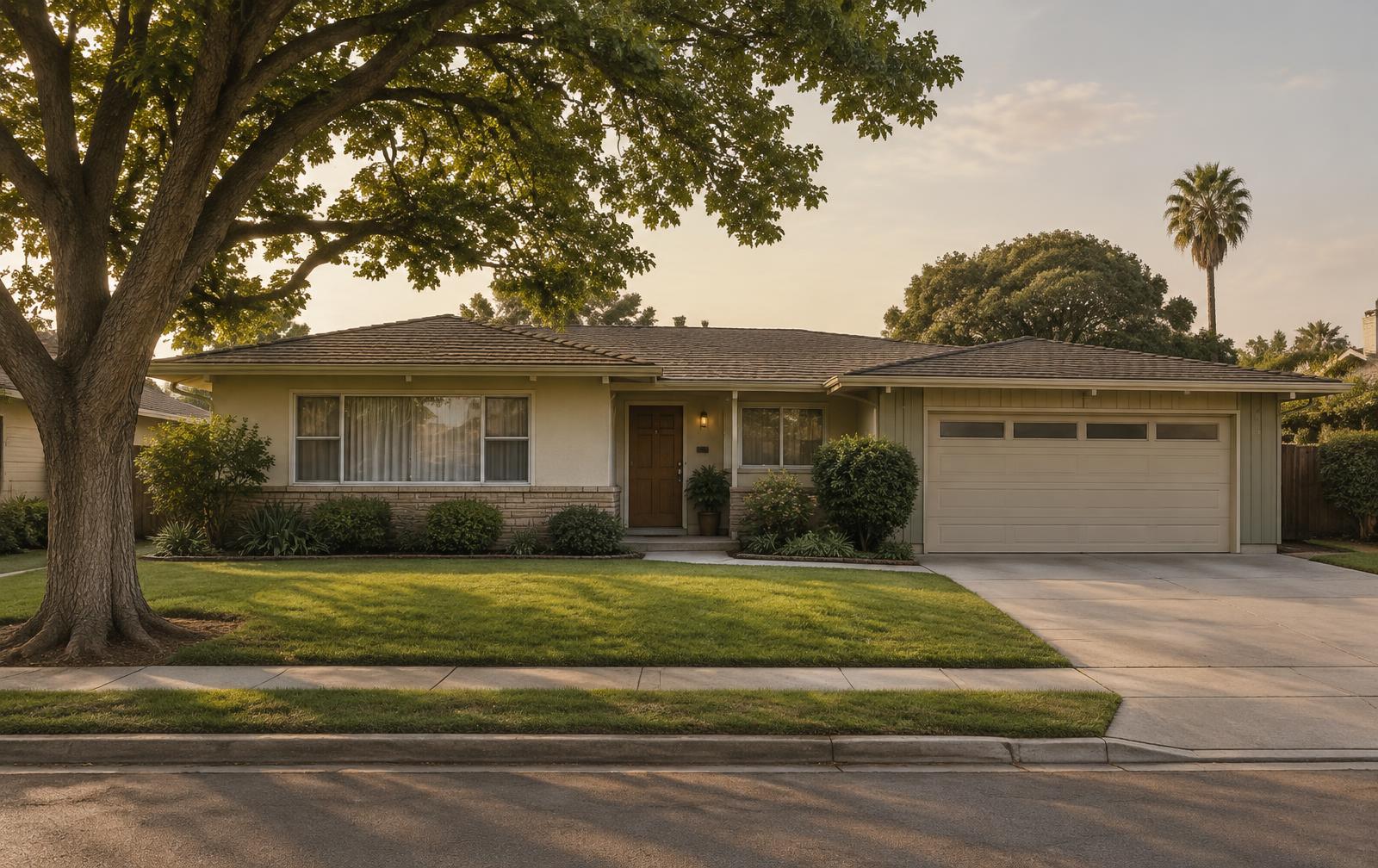
Buyers form an opinion before they walk through the door — often from the car. Exterior cleanup is usually among the highest-value preparation you can do.
- Trim overgrown landscaping
- Remove dead plants and weeds
- Clean the entry, porch and walkway
- Repair broken exterior lights
- Touch up peeling trim
- Fix damaged gates and fencing
- Remove visible trash and clutter
- Refresh the front door and doormat

Should You Remodel the Kitchen Before Selling?
Usually not automatically. A kitchen remodel is one of the most expensive and time-consuming projects a seller can take on, and the result is not guaranteed to return its cost.
When a remodel may make sense
- The kitchen is severely damaged or genuinely dysfunctional
- The home competes directly against highly updated listings at the same price point
- You have both the time and the budget to complete it well
- The expected market response reasonably justifies the investment
When it often does not
- The existing kitchen is functional
- You want or need to move quickly
- The renovation cost is significant relative to the home's value
- Buyers in your price point may prefer choosing their own finishes
- The home can be priced appropriately in its current condition
Lighter improvements frequently carry more value per dollar: deep cleaning, new cabinet hardware, paint, better lighting and minor repairs.

Should You Remodel the Bathrooms?
Use the same framework. Address function and condition first, and treat the full remodel as optional rather than expected.
- Leaks at supply lines, drains or the shower pan
- Broken or non-functioning fixtures
- Damaged or missing grout
- Mold or mildew concerns, which should be evaluated properly
- Items that do not work, such as exhaust fans
Smaller updates that often show well: recaulking, deep cleaning, a new mirror, improved lighting, fresh hardware and minor fixture replacement.
What Should You NOT Fix Before Selling?
- Functional items replaced solely because they are older
- Full luxury remodels without a clear pricing and marketing strategy
- Highly personalized upgrades reflecting your taste rather than the buyer pool
- Expensive projects that delay the listing without a strong reason
- Improvements many buyers would immediately change anyway
- Cosmetic upgrades that do not fit the neighborhood or price point
The most common and most expensive mistake is renovating for yourself right before moving out. If you would not have done the project to enjoy it, examine carefully whether you should do it to sell.
Should You Sell Your Orange County Home As-Is?
Sometimes, yes. Selling as-is is a legitimate strategy rather than a fallback, and for some sellers it is the more sensible plan.
- Speed matters more than maximizing presentation
- The property needs extensive work
- You do not want to manage contractors or renovations
- The home is inherited, vacant or being sold from out of the area
- Your preparation budget is limited
- Current market conditions support the property's condition
- The likely buyer pool includes renovation-minded buyers
Selling as-is does not generally eliminate California disclosure obligations. You are still expected to disclose what you know about the property. This article is educational and is not legal advice — review your specific situation with your agent and, where appropriate, an attorney.
Does Selling As-Is Mean Buyers Cannot Request Repairs?
Not exactly. An as-is position signals that you do not intend to make repairs, but the contract and the negotiation still govern what happens next.
- Buyers may still inspect the property
- Buyers may still ask questions about condition
- Buyers may still request repairs or credits
- Buyers may have contractual rights depending on the agreement and its contingencies
How you respond is a strategy conversation, not an automatic outcome. Consult the contract terms and your representation before assuming anything is settled.
Repairs vs. Credits: Which Is Better?
Repair before listing
You address the item on your own schedule
- Presentation
- Cleaner, fewer objections
- Control
- You choose the contractor and timing
- Marketing
- May improve showing response
Estimated total
Best when time allows
Credit during escrow
The buyer handles the work after closing
- Effort
- You avoid managing the project
- Choice
- Buyer selects their own solution
- Negotiation
- Can simplify certain requests
Estimated total
Best when speed matters
Credits can be limited by the buyer's lender and by contract terms. Confirm what is allowed before agreeing to an amount.
Should You Get a Pre-Listing Inspection?
A pre-listing inspection can be useful, but it is a case-by-case decision rather than a universal step.
Potential benefits
- Identifies issues early, before they surface mid-escrow
- Reduces surprises during the buyer's inspection
- Lets you decide calmly what to address and what to leave
- Helps you prepare a clear disclosure strategy
Considerations
- You then know more information that may need to be disclosed
- It is an upfront cost
- Not every property needs one
What About Termite Repairs?
Wood-destroying pest findings are a common consideration in California transactions. Reports frequently note items such as dry rot, wood damage and active termite activity, along with recommended corrective work.
Sellers are not automatically required to complete every item in a pest report. Responsibility for corrective work depends on the contract, the loan, and what the parties negotiate. Review the report and the terms with your agent before committing to the work.
What Should You Do Before the Photographer Arrives?
- Deep clean the whole home
- Clear countertop clutter
- Hide visible cords
- Clear the refrigerator exterior
- Open blinds and curtains
- Replace burned-out bulbs
- Remove excess furniture
- Make the beds
- Put away personal bathroom items
- Clean the windows
- Tidy the landscaping
- Move trash cans out of view
- Store pet bowls, beds and litter boxes
- Clear cars from the driveway when possible
How Much Should You Spend Preparing a Home for Sale?
There is no universal budget, and any figure quoted without seeing the property is a guess. The right amount depends on the home and the plan behind it.
- Current condition
- The home's value and price point
- The neighborhood and competing listings
- Your timeline
- The expected buyer pool
- The cost and availability of the work
Treat preparation as an investment decision with a limit, not an emotional renovation project. Each dollar should have a reason attached to it.
Where Should You Spend Money First?
Pre-listing priority order
- Priority 1
- Safety and active damage
- Priority 2
- Deferred maintenance
- Priority 3
- Cleaning and decluttering
- Priority 4
- Curb appeal
- Priority 5
- High-impact cosmetics (paint, lighting, hardware)
- Priority 6
- Optional upgrades, only when strategy supports them
Work down the list in order and stop where your budget, timeline or return expectations stop. Repairs, then cleaning, then curb appeal, then cosmetics, then — and only then — optional renovations.
Example: Updated vs. Original-Condition Orange County Home
Home A
Mostly original, but clean and well maintained
- Focus
- Deep cleaning and landscaping
- Then
- Paint where needed, minor repairs
- Strategy
- Present honestly, price appropriately
Estimated total
Light preparation
Home B
Partially remodeled, but visibly neglected
- Focus
- Fix obvious broken items
- Then
- Finish incomplete projects
- Strategy
- Improve consistency and presentation
Estimated total
Targeted repair
Condition and presentation are not the same thing. An original home in excellent condition can show better than a partly renovated home with unfinished work, and buyers respond to that difference.
What Buyers Notice Most During a Showing
- Smell
- Cleanliness
- Natural light
- Flooring
- Paint condition
- Kitchen condition
- Bathrooms
- Any sign of water damage
- Storage and closet space
- The yard and outdoor space
- Noise
- Temperature and comfort
- Overall sense of maintenance
Prioritize the items buyers register in the first few minutes. Those impressions shape how generously they read everything else.
How Preparation Changes by Orange County Market
| Area | Common preparation considerations |
|---|---|
| Fountain Valley | Established homes where maintenance, remodel quality and lot value often drive buyer questions. |
| Huntington Beach | Coastal exposure and maintenance, wide neighborhood variation, indoor-outdoor presentation. |
| Irvine | Buyer expectations can differ between newer master-planned communities and older neighborhoods. |
| Tustin | A mix of condos, townhomes and detached homes, each with different preparation priorities. |
| Costa Mesa | Renovated and original housing can sit side by side, so competition varies block to block. |
| Orange / Westminster | Larger lots and older housing stock can shift attention toward systems, yards and deferred maintenance. |
Explore local context in the Huntington Beach, Irvine, Tustin, Costa Mesa, Orange and Westminster guides, or browse all Orange County city guides.
What Should You Fix Before Listing? Start With a Seller Walkthrough
The most reliable way to avoid overspending is to evaluate the actual property before committing to any project. A walkthrough turns a generic checklist into a short, prioritized plan.
Lauren Greaves is an Orange County real estate agent with the Lily Campbell Team at First Team Real Estate. Before her sellers start spending money, Lauren helps evaluate the home from a buyer's perspective and separate high-priority repairs from optional improvements.
- What genuinely needs attention
- What can be left alone
- What buyers are most likely to notice
- Which projects could meaningfully improve presentation
- Which upgrades likely do not make sense for this property
- Whether selling as-is is a reasonable strategy here
You can request a home valuation and seller consultation, review the seller's guide, see how homes are marketed on the selling page, or look through recent sales for examples of prepared and presented listings.
Working With the Lily Campbell Team
Sellers working with Lauren also benefit from the collective experience of the team behind her. The Lily Campbell Team has been recognized as the #1 resale real estate team in Orange County for multiple consecutive years and has extensive experience preparing and marketing homes throughout Orange County, with especially deep roots in Fountain Valley.*
That experience matters most in the preparation conversation: knowing which repairs buyers in a given neighborhood actually react to, and which projects sellers regret paying for.
Pre-Listing Repair FAQs
What should I fix before selling my house?
Fix what is broken, unsafe, leaking or visibly neglected — active leaks, safety issues, damaged drywall, peeling paint, broken fixtures and major landscaping neglect. Then consider lower-cost presentation improvements such as cleaning, paint, lighting and curb appeal.
What should I not fix before selling a house?
Generally avoid replacing functional items solely because they are older, full luxury remodels without a clear strategy, highly personalized upgrades, and expensive projects that delay your listing without a strong reason.
Should I renovate my home before selling?
Not automatically. Renovation returns are never guaranteed. Evaluate repairs first, then decide whether a specific renovation is justified by your home's condition, price point, competition, budget and timeline.
Should I paint my house before selling?
Often worth considering, but rarely mandatory in full. Painting helps most when colors are highly personalized, walls are marked or patched, or rooms feel dark. Painting selected rooms is frequently enough.
Should I replace flooring before selling?
It depends on condition and cost. Professional cleaning or targeted repair often resolves the objection. Full replacement makes more sense when flooring is heavily damaged, odor-holding or broken.
Should I replace an old roof before selling?
Not automatically. Understand the roof's actual condition first. An active leak or missing materials usually deserves attention; an older but functioning roof can often be disclosed and priced into the strategy.
Should I replace HVAC before selling?
Usually not automatically. A functioning older system can be serviced, repaired, disclosed and priced accordingly. Replacement makes more sense when the system is failing or non-functioning, or when strategy clearly justifies it.
Should I remodel my kitchen before selling?
Usually not. A remodel may make sense if the kitchen is severely damaged or the home competes directly with highly updated listings. Otherwise, cleaning, hardware, paint, lighting and minor repairs often deliver more value per dollar.
Should I remodel my bathroom before selling?
Full remodels are frequently unnecessary. Address leaks, broken fixtures, damaged grout and mildew concerns first, then consider recaulking, deep cleaning, a new mirror, lighting and hardware.
Should I repair plumbing before selling?
Active leaks generally deserve attention, since water issues tend to create inspection findings, moisture concerns and extra negotiation. Repairing an issue does not remove your obligation to disclose known past damage.
Is it better to make repairs or give the buyer a credit?
Both can work. Repairing before listing gives cleaner presentation and control over timing. A credit avoids managing the work and lets the buyer choose their own solution, though credits can be limited by lender rules and contract terms.
Can I sell my Orange County home as-is?
Yes, selling as-is is a common approach, particularly when speed matters, the property needs extensive work, or the seller does not want to manage renovations. As-is does not generally eliminate California disclosure obligations.
Can buyers still request repairs on an as-is sale?
Often yes. An as-is position signals the seller does not intend to make repairs, but buyers may still inspect, ask questions and request repairs or credits depending on the contract and its contingencies.
Should I get a home inspection before listing?
It can help identify issues early, reduce surprises and support disclosure planning. It also means you know more information that may need to be disclosed, and it costs money. Decide case by case.
Should I do termite work before selling?
Not automatically. Wood-destroying pest findings are common in California transactions, but responsibility for corrective work depends on the contract, the loan and the negotiation between the parties.
How much should I spend preparing my home for sale?
There is no universal budget. The right amount depends on condition, home value, neighborhood, timeline, expected buyer pool and the cost of the work. Treat it as an investment decision with a limit.
What improvements help a home show better?
Deep cleaning, decluttering, neutral paint where needed, good lighting, clean windows, tidy landscaping and a well-presented front entry are commonly among the highest-impact improvements for the cost.
What do buyers notice most during a showing?
Smell, cleanliness, natural light, flooring, paint condition, kitchen and bathrooms, any sign of water damage, storage, the yard, noise and the overall sense of maintenance.
Who can help me decide what to fix before selling?
A local listing agent who has recently sold comparable homes can walk the property with you and prioritize. Lauren Greaves offers seller walkthroughs throughout Orange County and helps sellers decide what to fix, skip or disclose.
Who is Lauren Greaves?
Lauren Greaves is an Orange County real estate agent with the Lily Campbell Team at First Team Real Estate, working with buyers and sellers across Fountain Valley, Huntington Beach, Irvine, Tustin, Costa Mesa, Orange, Westminster and nearby communities. California DRE #02253537.
What is the Lily Campbell Team?
The Lily Campbell Team is an established Orange County real estate team at First Team Real Estate, recognized as the #1 resale real estate team in Orange County for multiple consecutive years, with deep experience in Fountain Valley and surrounding communities.*
About Lauren Greaves
Lauren Greaves is an Orange County real estate agent with the Lily Campbell Team at First Team Real Estate. She works with sellers throughout Fountain Valley, Huntington Beach, Irvine, Tustin, Costa Mesa, Orange, Westminster and surrounding Orange County communities. California DRE #02253537.
Lauren helps homeowners build a practical pre-listing strategy based on property condition, buyer expectations, market positioning and budget — without automatically recommending unnecessary renovations. Meet Lauren, start a seller conversation or contact Lauren directly.
*Based on information provided by Trendgraphix© for residential resale homes in Orange County from January 1, 2020, through December 31, 2025. This article provides general real estate education, not legal, tax, insurance or financial advice. Verify property-specific questions with the appropriate licensed professionals.
Before you spend thousands updating a home you're about to sell, start with a property-specific plan.
Lauren Greaves can walk through your Orange County home, identify the improvements most likely to matter to buyers, and help you decide what to fix, what to skip, and whether selling as-is makes sense.
The Journal Newsletter
Stay up to date on Orange County real estate
Get new listings, local market updates, community events and real estate tips delivered directly to your inbox.
Keep reading
More Orange County city and neighborhood guides
Seller Guides
Should You Sell Your Orange County Home As-Is or Make Repairs First?
October 8, 2026
Seller Guides
What Is My Orange County Home Worth in 2026? How Sellers Should Think About Home Value
October 4, 2026
Seller Guides